100 Blumenberge, 1500m-2000m, 2020, Japan 100, Kagoshima, Kyushu 100, Miyazaki, Vulkane

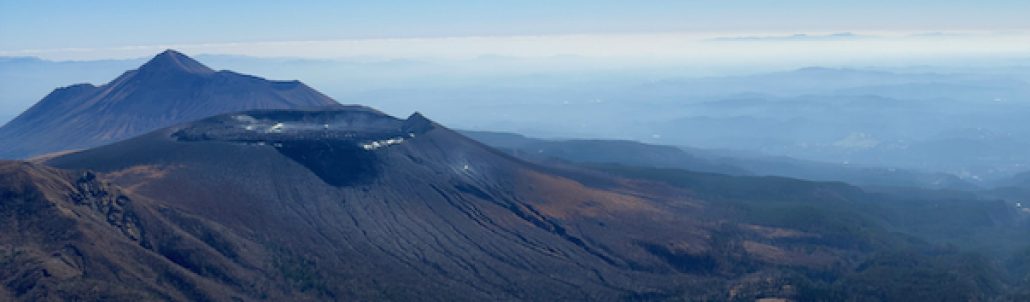
Karakuni-dake (Kirishima) / 韓国岳 (霧島)

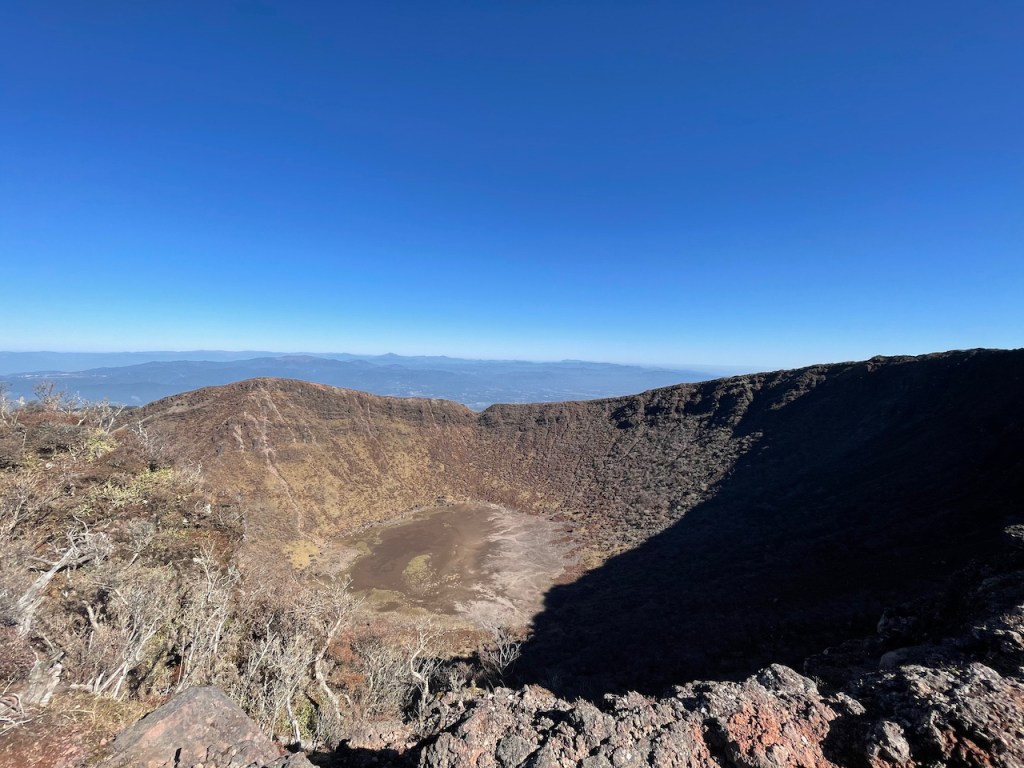
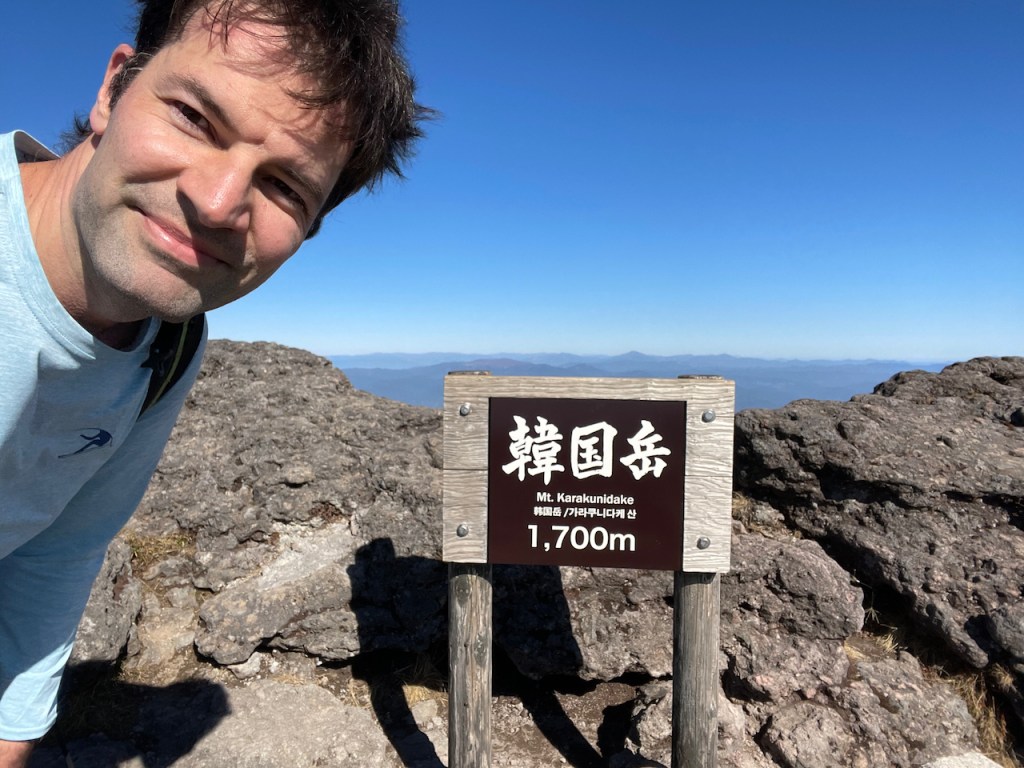
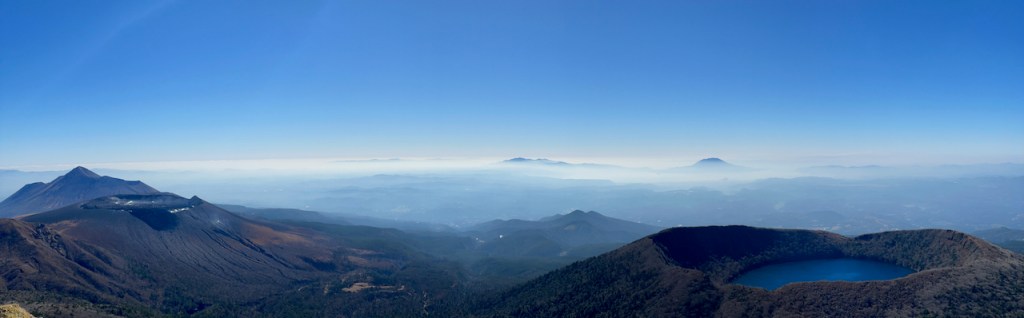
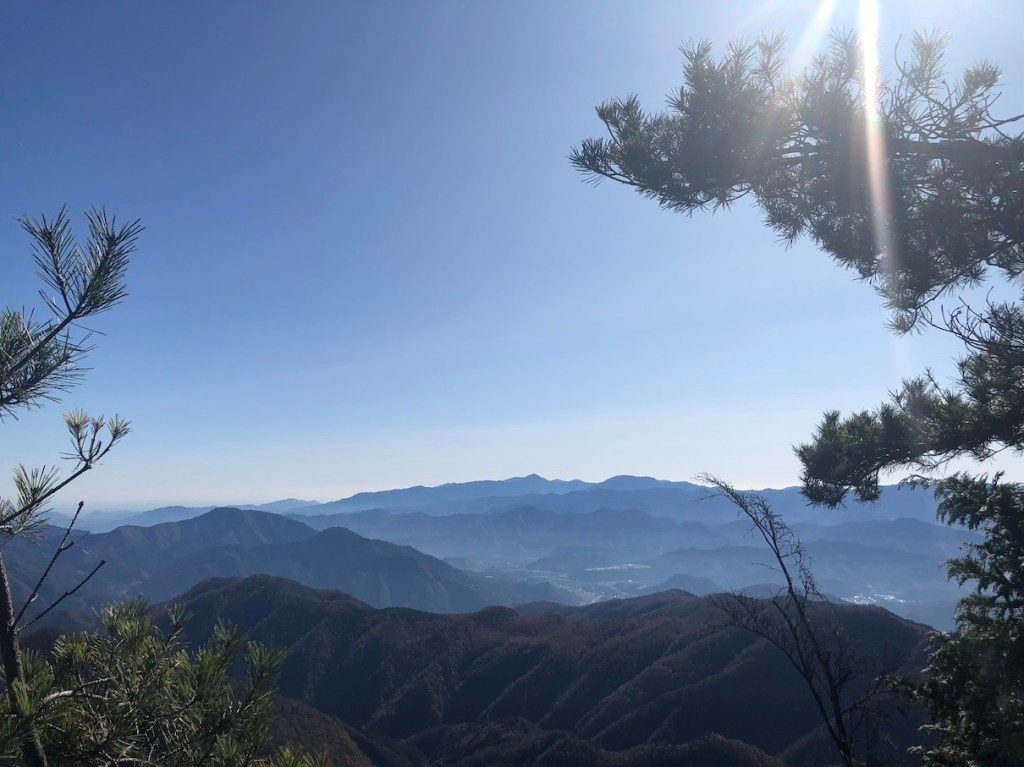
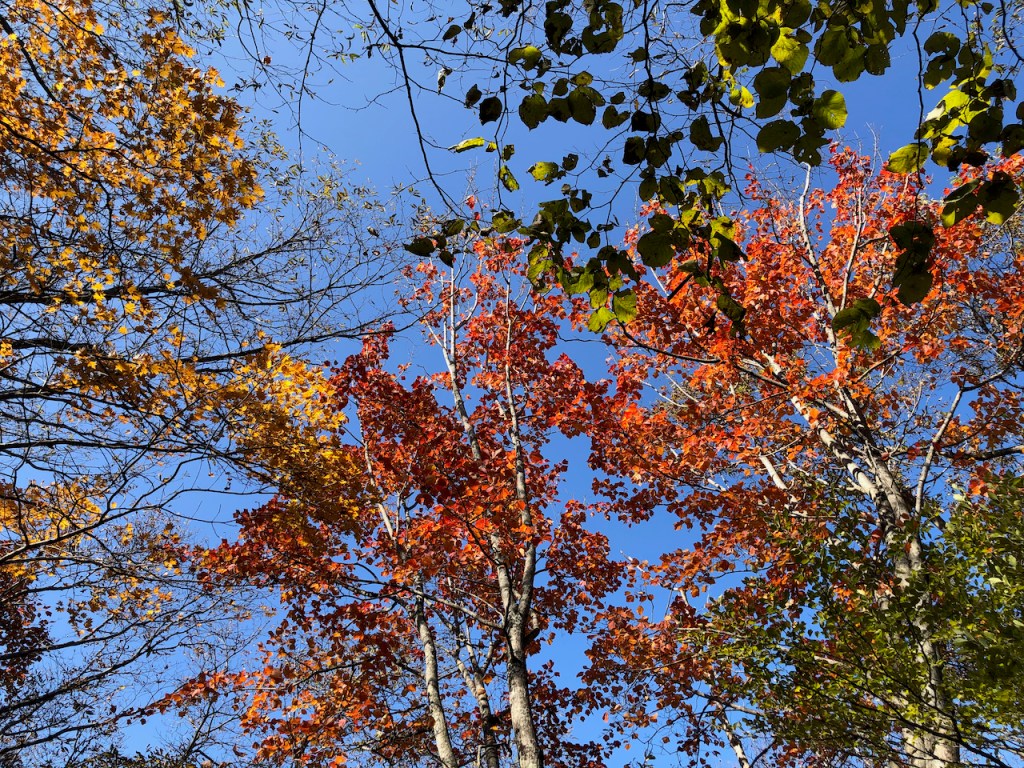
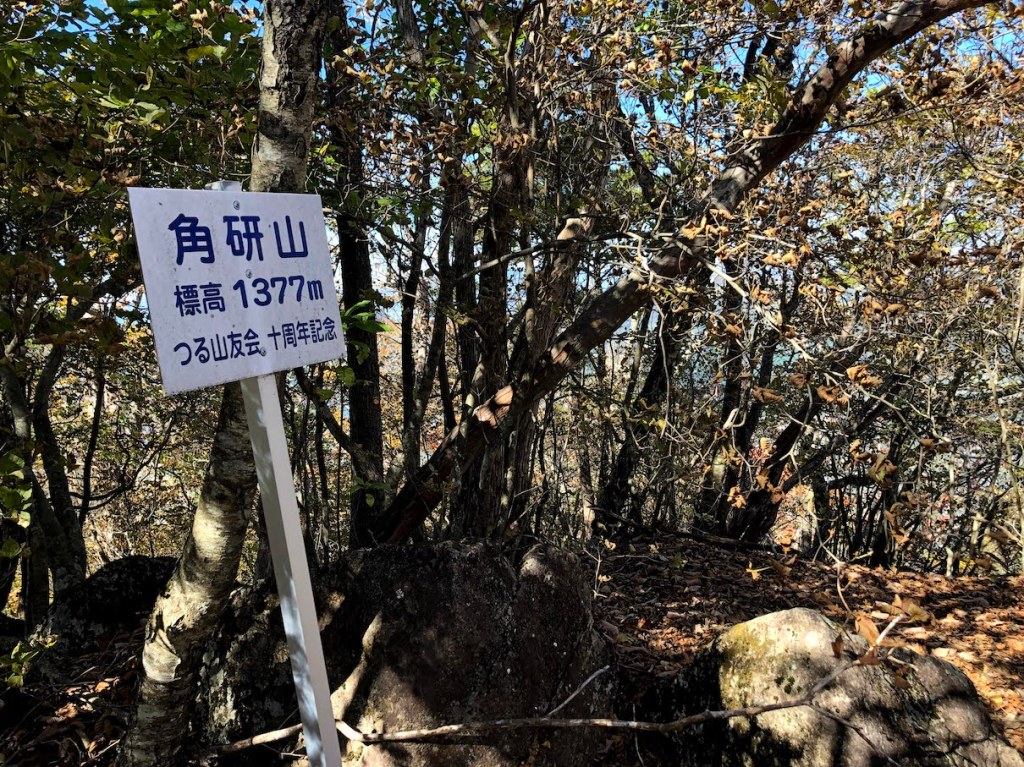
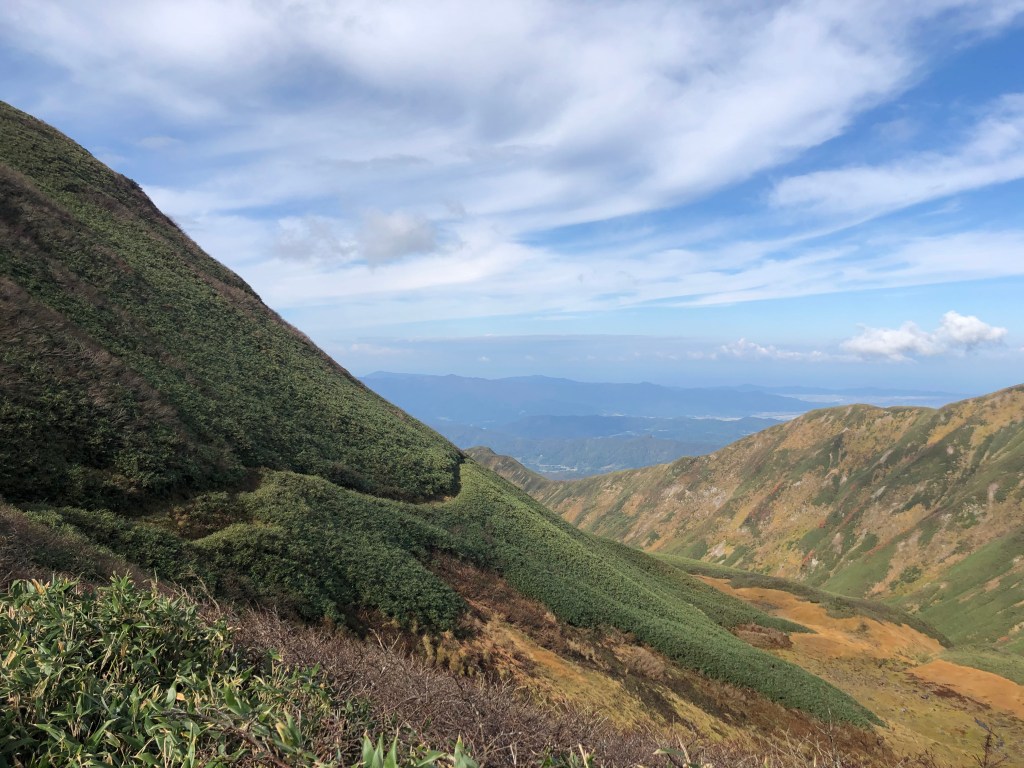
Das Kirishima 霧島 Gebirge ist eine wunderschoene Landschaft aktiver Vulkane noerdlich der japanischen Stadt mit dem gleichen Namen (霧島市) in der Provinz Kagoshima 鹿児島, gelegen auf der suedlichsten Hauptinsel Kyushu 九州. Die hoechste Erhebung ist der Karakuni-dake 韓国岳 mit stolzen 1700m. Fun fact: die ersten beiden Kanji sind die gleichen, welche fuer das Land Sued-Korea benutzt werden. Das ganze Kirishima Gebirge ist sehr markant und kann auch aus Richtung Haneda im Anflug auf den Flughafen Kagoshima auf der rechten Seite bewundert werden.

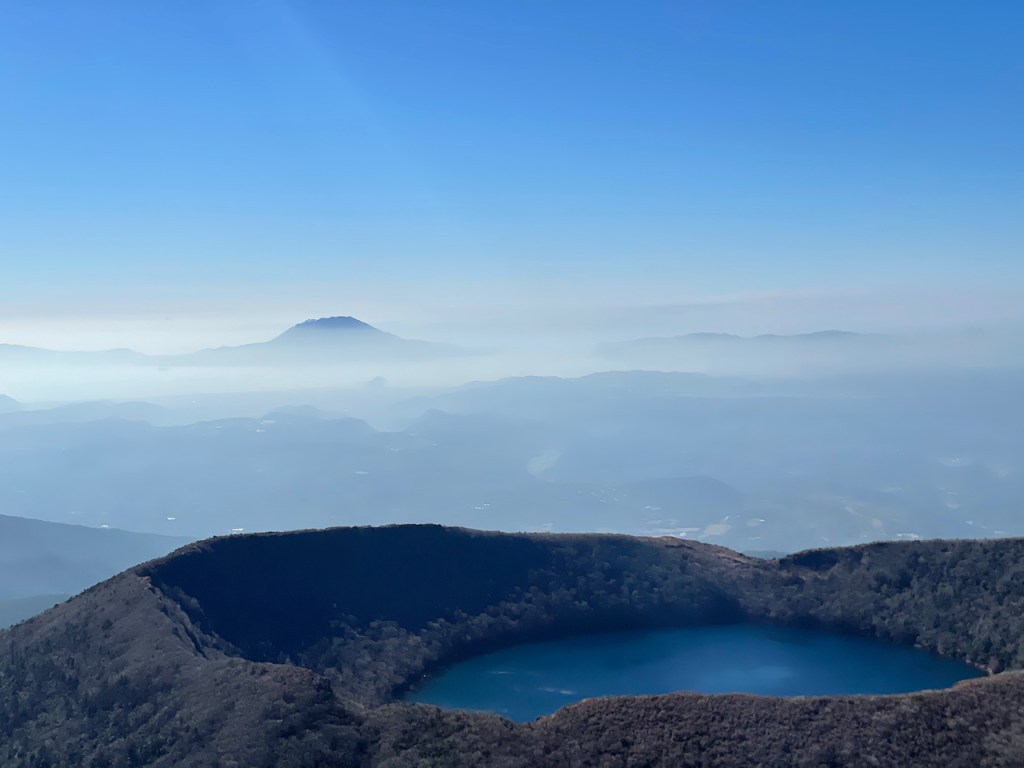
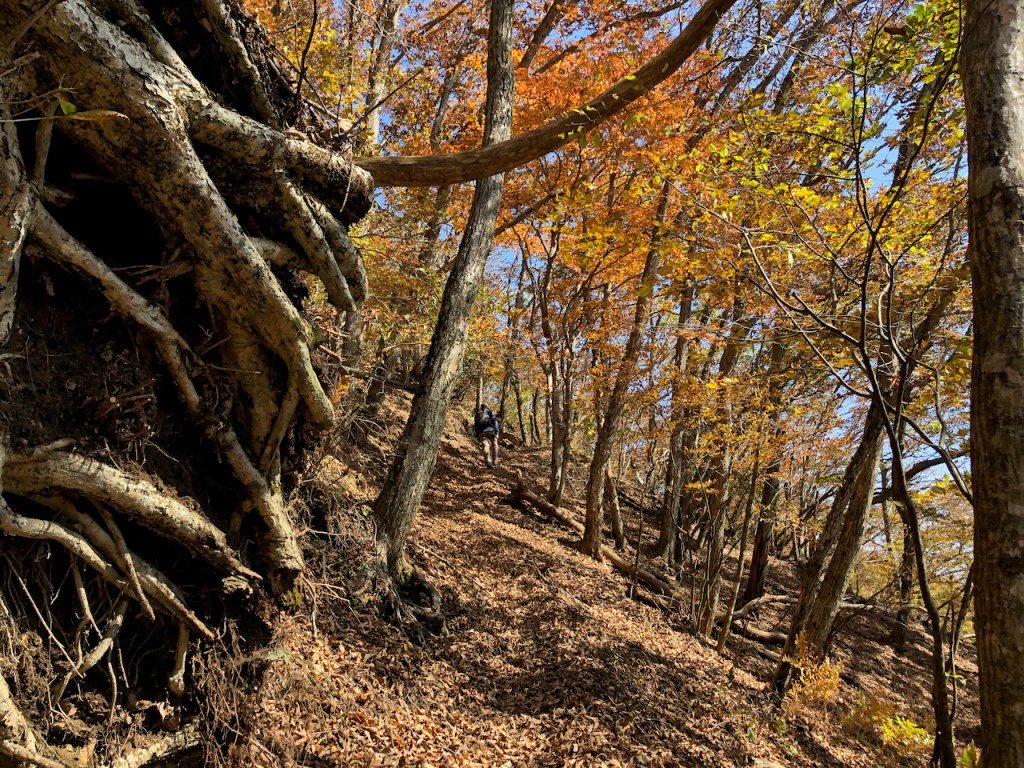
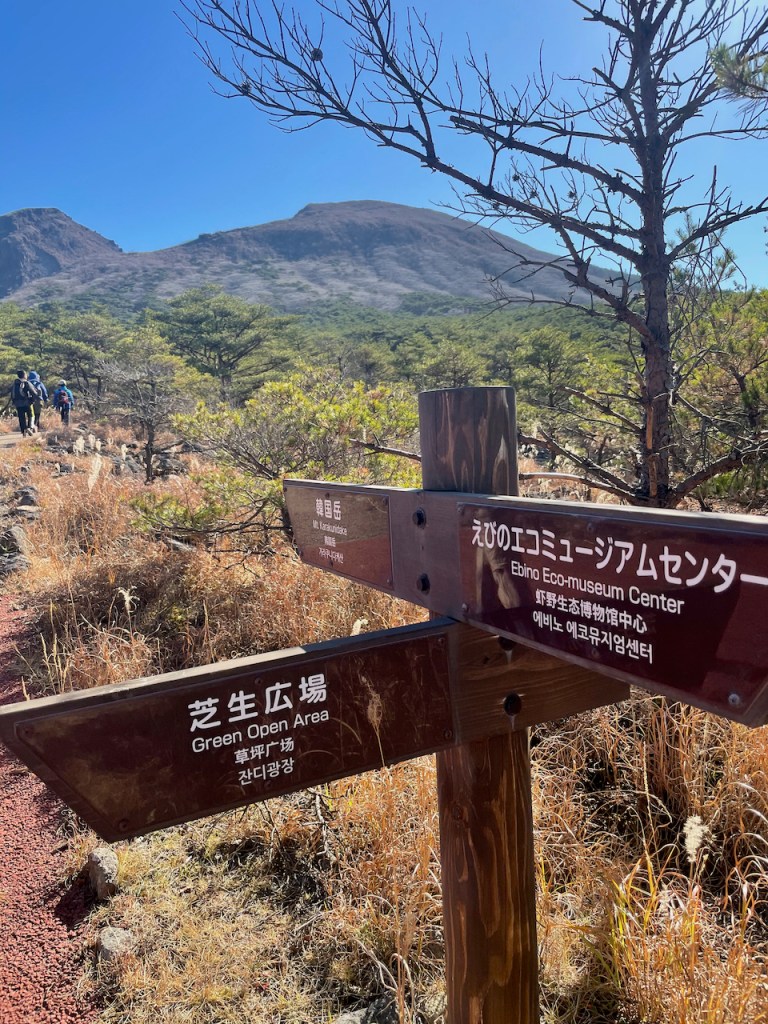
Die Wanderwege starten auf dem Ebino Hochland えびの高原, wo es auch genug Parkplaetze gibt. Wer eine Alternativroute nehmen will, kann auch kurz vor dem Ebino Hochland Parkplatz an der Zubringerstrasse aus Richtung Kirishima-Stadt an den Parkplaetzen links/rechts von der Strasse halten wenn Platz ist. Dort, aber unweit vom Ebino Hochland, started die Route zum Karakuni-dake ueber den Onami Teich 大波池, einen sehr schoenen Vulkankrater mit kristallklarem Wasser gefuellt, ebenso auf den Karakuni-dake. Wir haben die Route vom Ebino Hochland genommen die in gut einer Stunde hoch auf den Karakuni-dake fuehrt. Absteigen kann man wahlweise ueber den Onami Teich/Krater (das wuerde ich empfehlen) oder den gleichen Weg wieder zurueck.

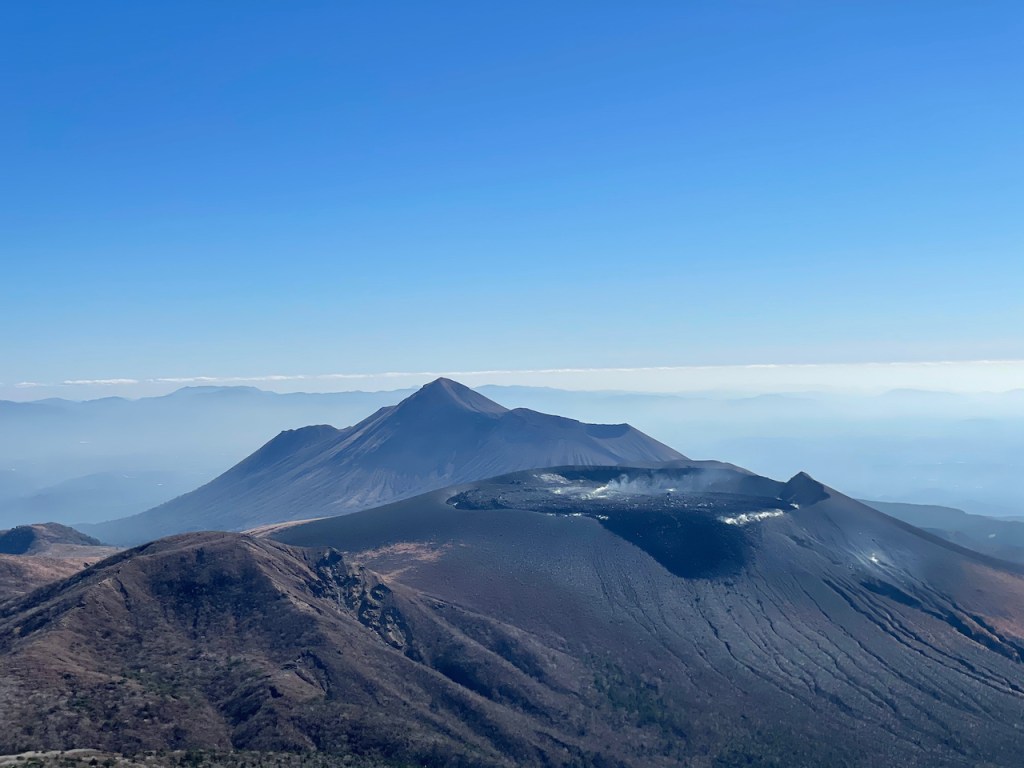
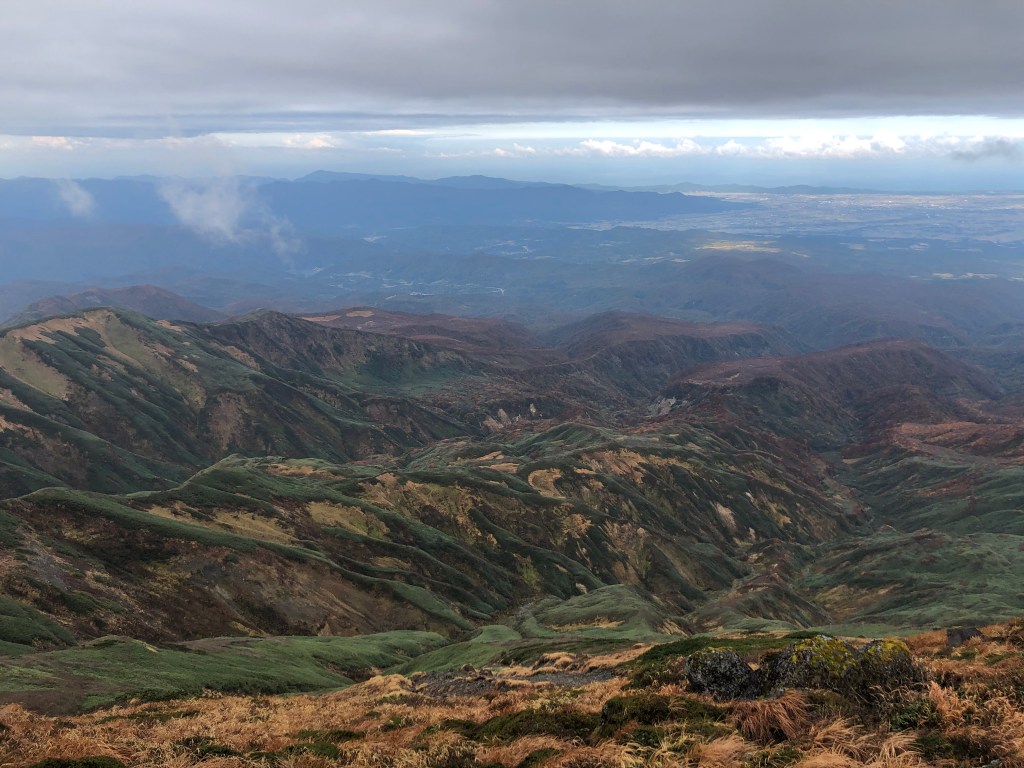
Vom Gipfel aus sieht man auch einen sehr aktiven, rauchenden Vulkan, then Shinmoe-dake 新燃岳. Diesen konnte man frueher auch besteigen (der Wanderweg fuehrt vom Karakuni-dake auch hin), jedoch ist die Route wegen der erhoehten vulkanishcen Aktivitaet des Berges gesperrt. Auf dem Abstieg haben wir einen aelterne ehrenamtlichen Wanderfuehrer getroffen, der uns erzaehlt hat, dass man den Shinmoe-dake frueher ohen probleme besteigen konnte und er auch oft gemacht hat, der weg jedoch seit ueber 12 Jahren bereits gesperrt ist. Danach hat er uns auch seine Wanderkarte von Kirishima geschenkt, sehr nett. Sollte der Shinmoe-dake irgendeinmal wieder begehbar sein, dann sollte man vielleiht recht schnell versuchen ihn zu besteigen. Bei Vulkanen weiss man nie wann sie das naechste mal wieder aktiver werden und die Route wieder gesperrt wird.

1500m-2000m, 2020, Yamanashi, Yamanashi 100

Gangaharasuriyama / 雁ヶ腹摺山

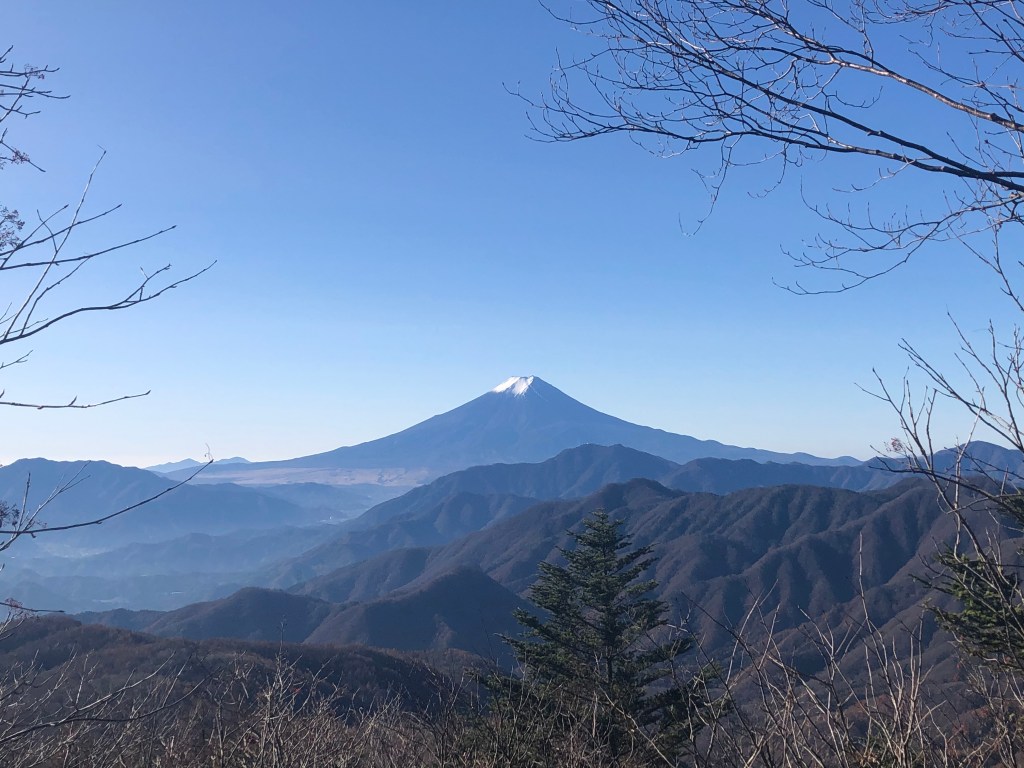
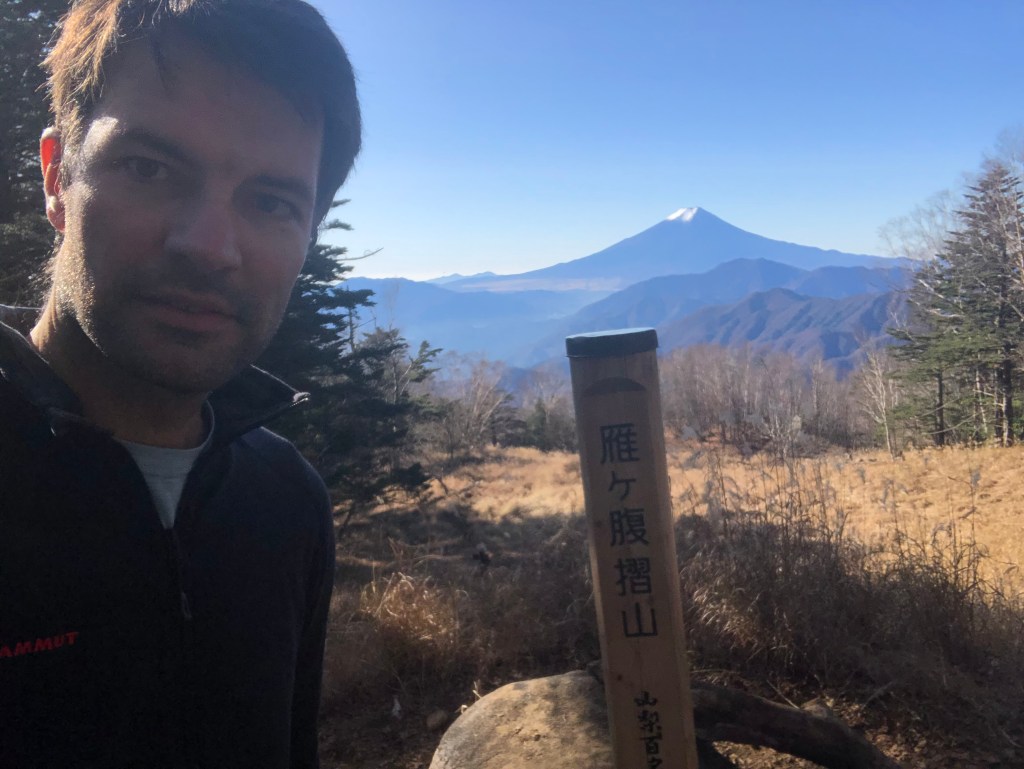
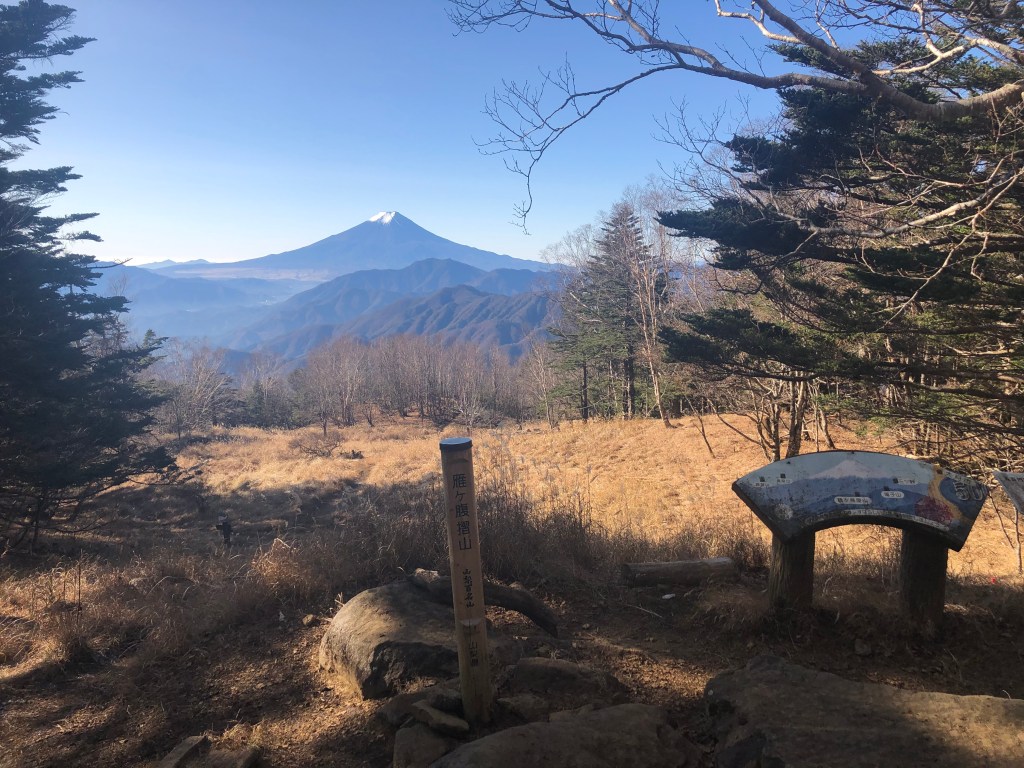
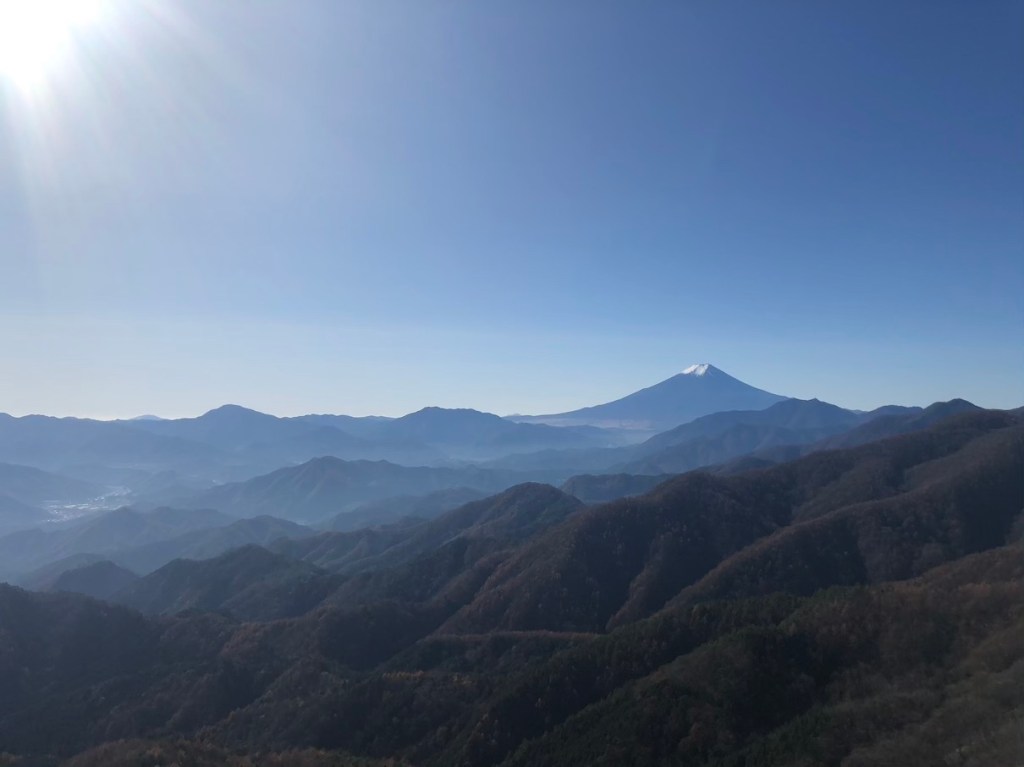
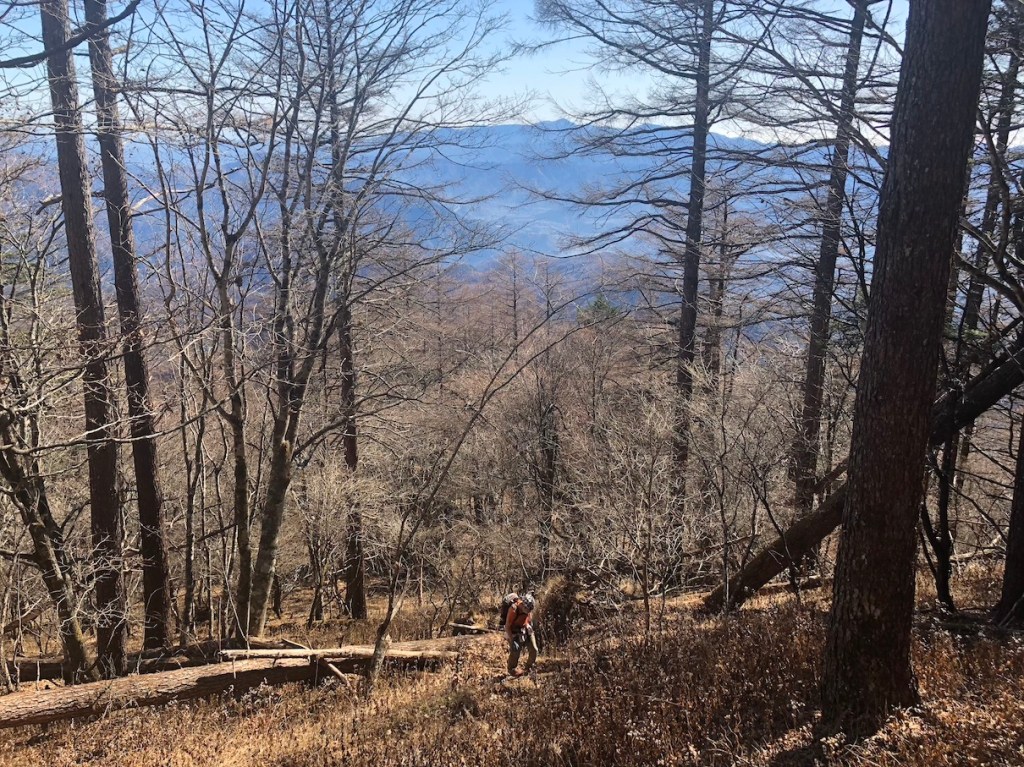
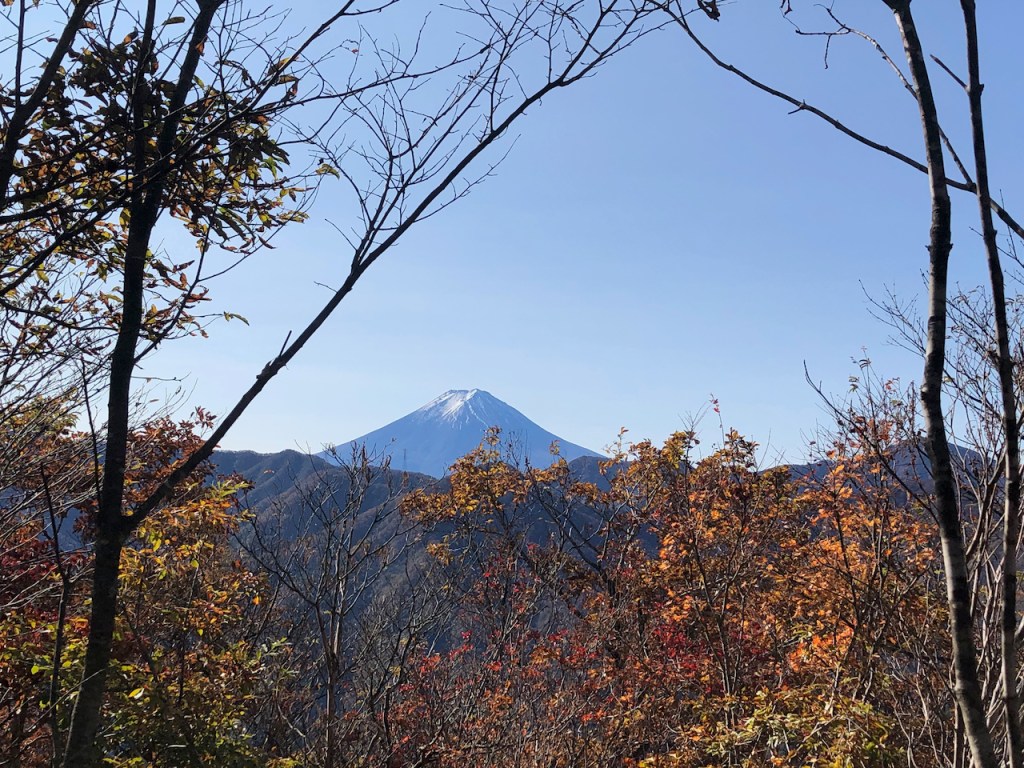
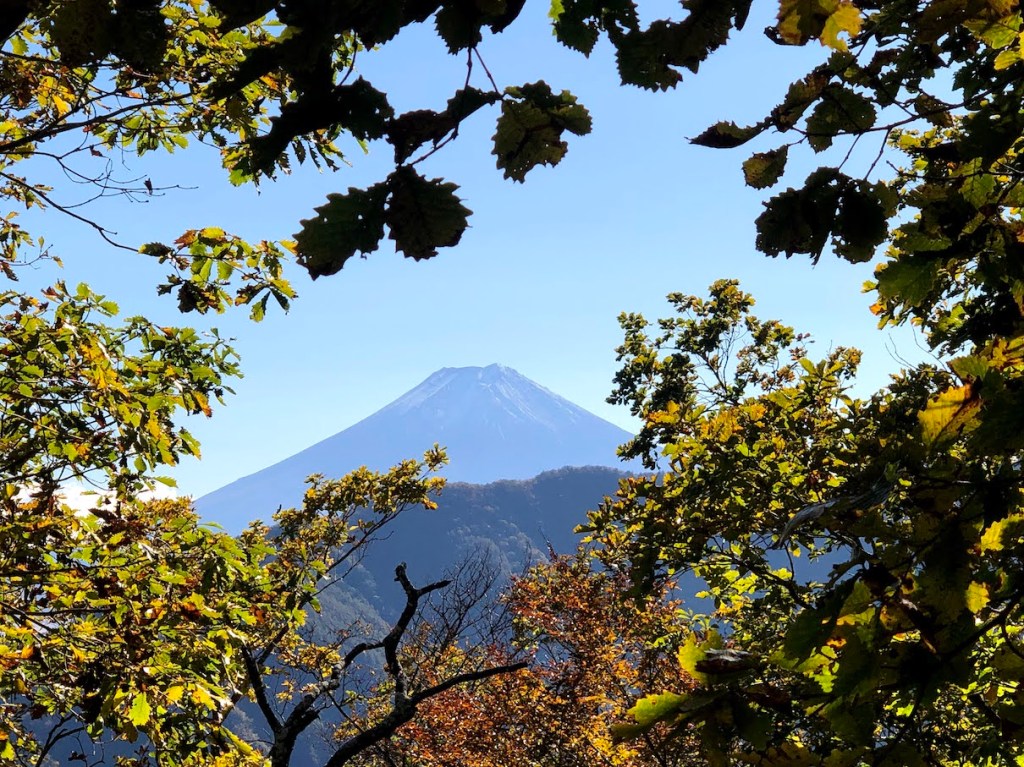
Der Gangaharasuriyama 雁ヶ腹摺山, bzw. Die Sicht von seinem Gipfel, ist ein sehr bekannter Berg in Japan. Viele werden es vielleicht nicht wissen oder nicht erkennen, aber das Fuji-san Motiv, welches frueher die 500yen Scheine gepraegt hat (die aber leider nicht mehr im Umlauf sind) stammt von hier. Und tatsaechlich hat man vom Gipfel des Berges eine wunderbare Aussucht auf den Fuji-san sowie die Berge davor (Takigo-yama 滝子山, Tsurugatoya-yama 鶴ヶ鳥屋山 etc.). Da der Berg ein wenig weiter weg von der naechsten Bahnstation liegt, muss man entweder mit dem eigenen Auto oder dem Taxi von Otsuki ca. eine Stunde Fahrt in Kauf nehmen, um zum naechsten Wanderweg-Eingang 登山口 zu gelangen. Dieser ist am Oo-toge 大峠, welches bereits auf ueber 1500m liegt. Von dort geht es ca. 1 Stunde Bergauf, bis man den Gipfel des Gangaharasuri-yama erreicht.

Uebrigens: Der recht lange Name bedeutet sinngemaess “Berg an dem eine Gans auf Wanderung ihren Bauch rubbelte, und weiterflog”.

Hoehe:1874m
Anfahrt:Otsuki Station (Chuo Main Line) / 大月駅(中央本線)dann nach Otoge 大峠 mit Taxi oder Anfahrt mit eigenem Auto
<10km, 1500m-2000m, 2020, 5-8h, Japan 100, Japan Ultra, Local Fuji, Tottori

Daisen / 大山

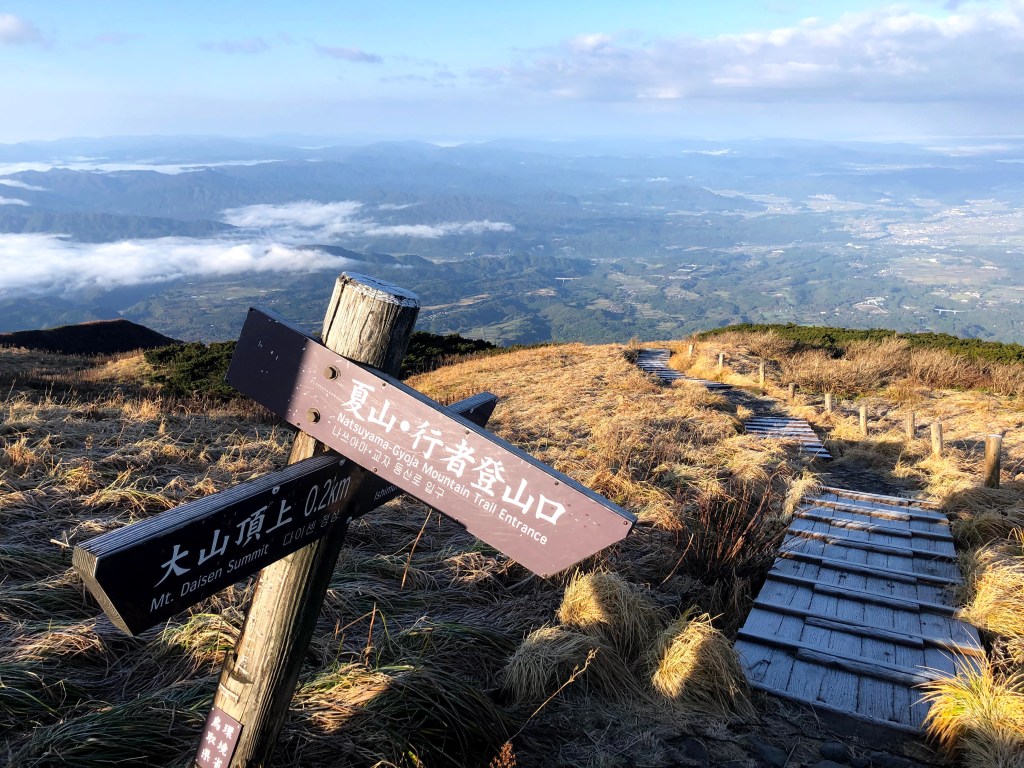
Der Daisen ist der hoechste Berg in der Praefektur Tottori (鳥取県), welche am Japanischen Meer liegt. Daisen (jp. 大山, was einfach “Grosser Berg” bedeutet und in anderen Gebieten oft Ooyama gelesen wird) ist ein relativ freistehender Berg von 1729m und gehort zu den 21 japanischen Ultras, Berge die eine Prominenz (zu dt. auch Schartenhöhe) von 1500m oder mehr haben. Der Berg wird auch manchmal als Hoki-Fuji (伯耆富士) oder Izumo-Fuji (出雲富士) bezeichnet wegen der (fraglichen) Formaehnlichkeit zum Fuji-san.

Der Hike an sich ist nicht zu schwer aber ist fast die ganze Zeit von Treppensteigen gekennzeichnet. Ab der 7ten Station bekommt man eine super Sicht auf die Umgebung, und ca 500m vor dem Gipfel passiert man ein Plateau, was von hoelzernden Laufstegen durchzogen ist. Was sicherlich im Sommer sehr angenehm ist, kann aber auch gefaehlich im Winter werden wenn die Laufstege vereist und sehr rutschig sind. So war es auch als wir hoch sind und man musste sich sehr langsam bewegen um nicht staendig hinzufallen. Zudem war es Anfang November schon richtig kalt auf dem Gipfel (Minusgrade).
Nachdem ein Erdbeben den eigentlichen Gipfel des Berges, den Kengamine (剣ヶ峰), nicht mehr zugaenglich gemacht hat, fuehren die Wanderwege aktuell nur auf maximal den Misen (弥山), der mit einer Hoehe von 1709m aber nur 20 Meter niedriger ist.

1000m-1500m, 2020, Yamanashi, Yamanashi 100

Sasagogangaharasuriyama / 笹子雁ヶ腹摺山

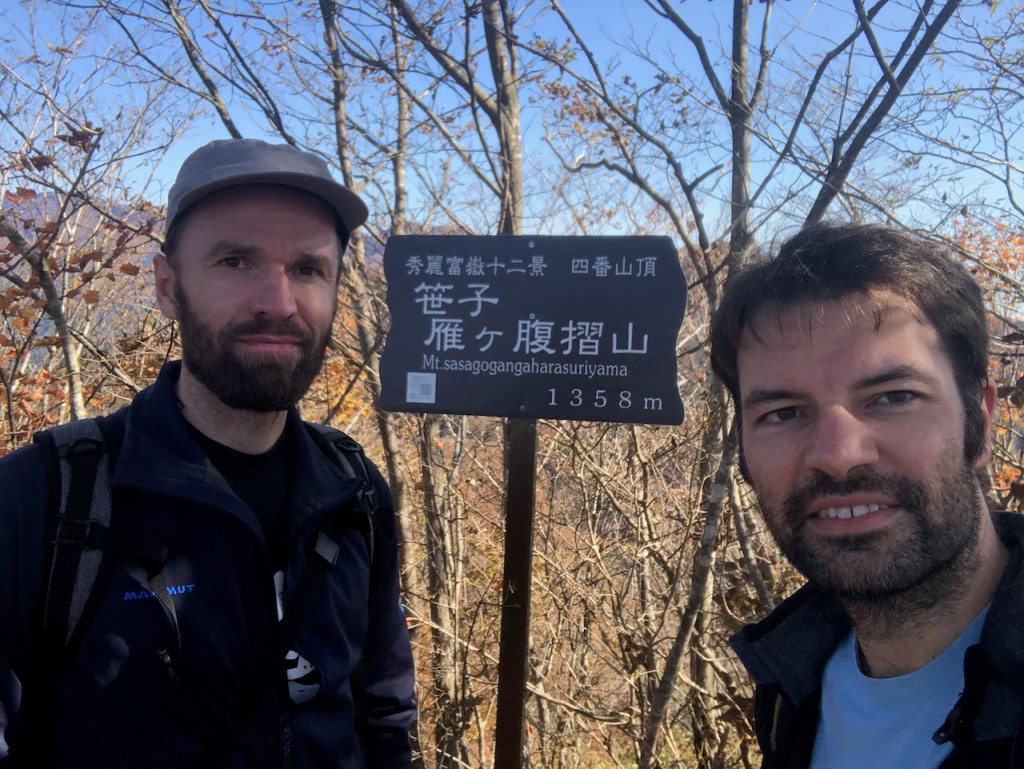
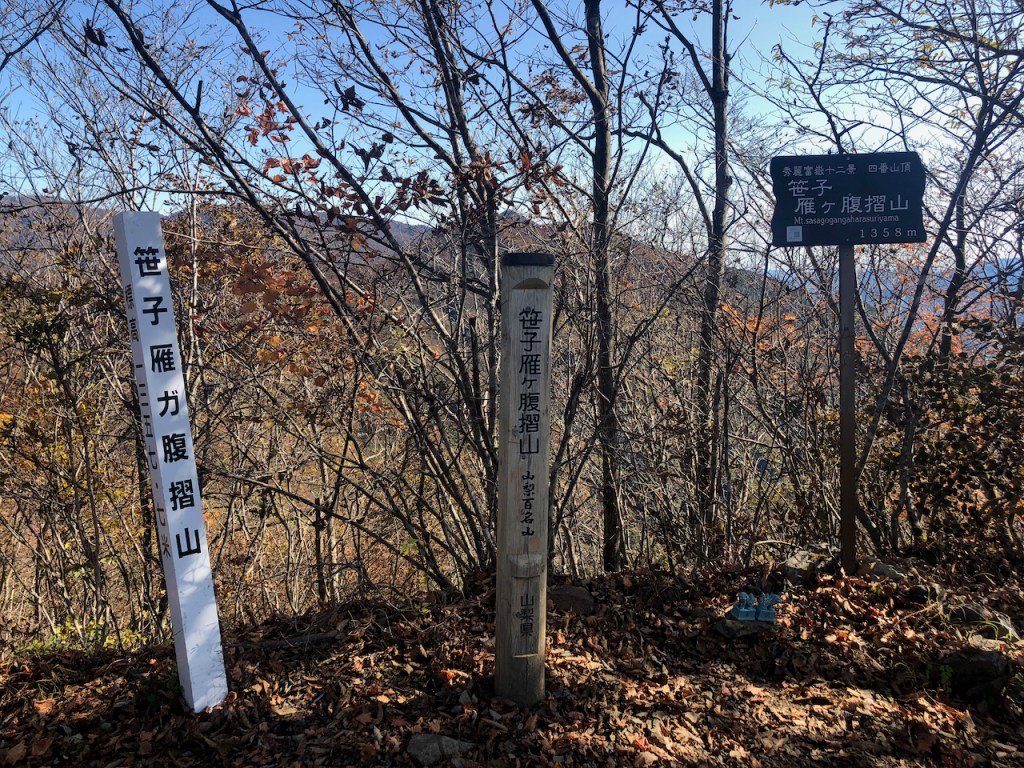
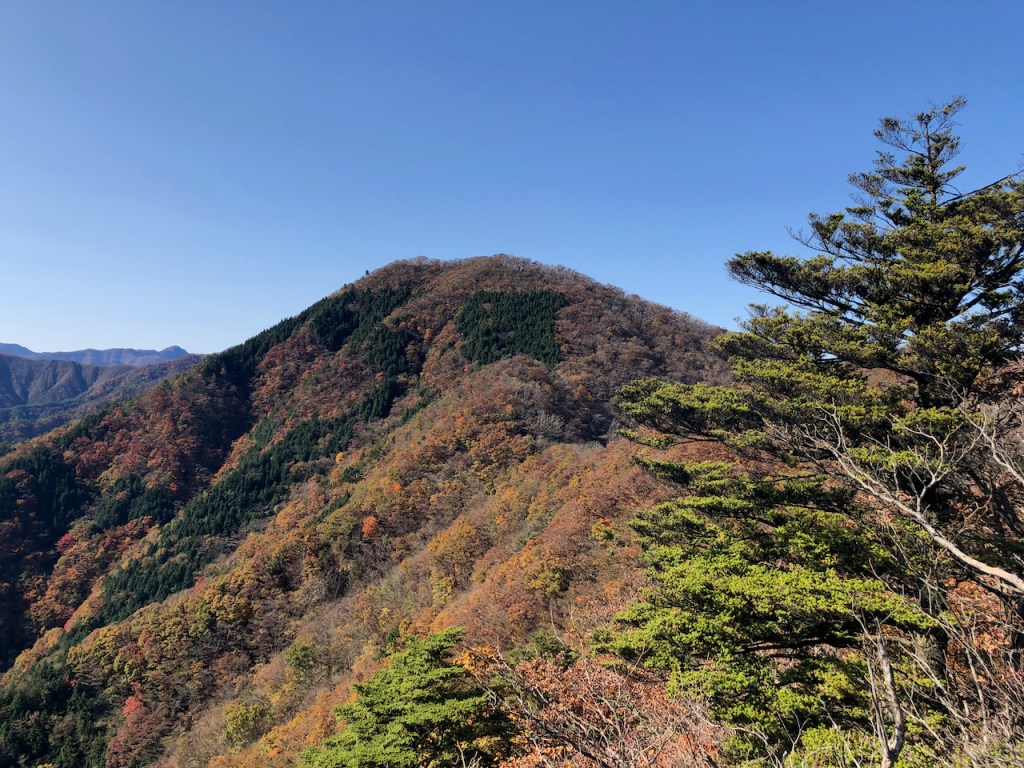
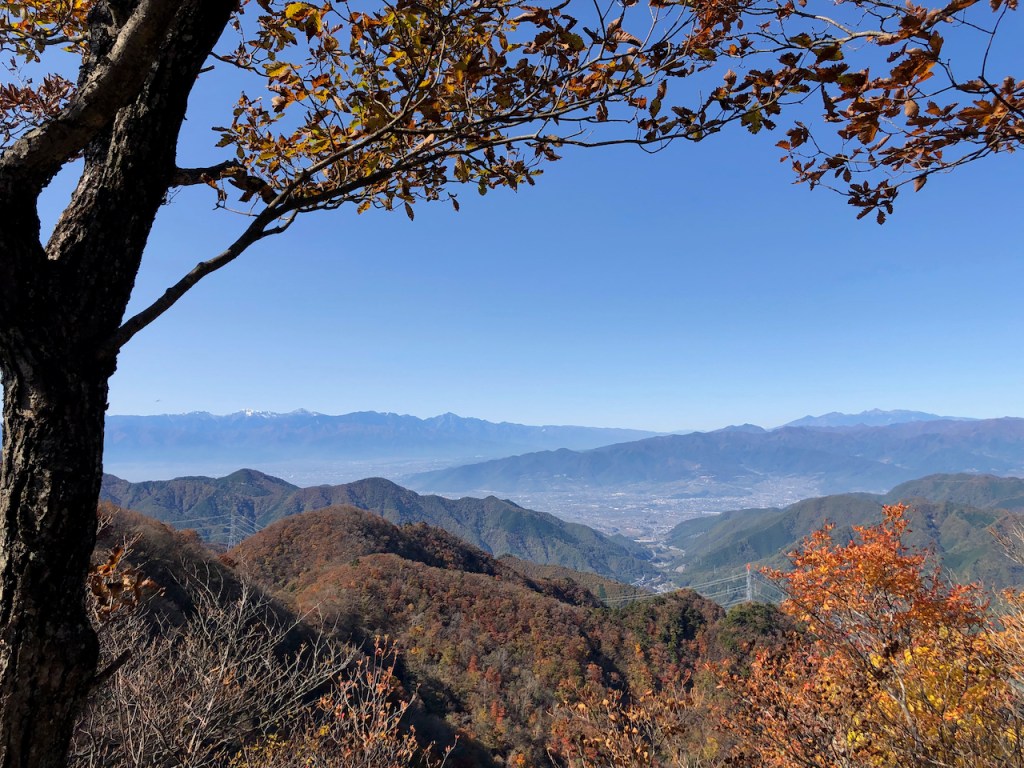
Einer der Berge in Japan mit der wohl laengsten Lesung: Sasagogangaharasuriyama, oder 笹子雁ヶ腹摺山 auf Japanisch. Der Berg gehoert zu den Yamanashi 100 Meizan und ist sehr einfach vom Bahnhof Sasago (笹子駅) auf der Chuo-sen, die in Richtung Matsumoto faehrt zu erreichen. Vom Bahnhof muss man eine Weile die Strasse in Farhtrichtung entlanglaufen bevor man auf den Wanderpfad trifft. Dort angekommen geht es ziemlich geradlienig steil den Berg hoch bis auf ca. 1300m. Der Anstieg ist allerdings nicht sehr schwer. Oben angekommen hat man eine nette Sicht auf den Fuji-san und dann kann man entscheiden entweder direkt wieder runter wie man gekommen ist, alternativ am Gipfel links nach unten, oder – und das wuerde ich empfehlen bei gutem Wetter und ausreichend Zeit, den Bergkamm rechts weiter zu gehen zum Yonezawa-yama (米沢山) und zum Obou-yama (お坊山). Auf dem Weg gibt es eine sehr gute Aussichtsplattform ins Tal wo Sasago liegt inklusive dem Fuji im Hintergrund, und vom Obou-yama kann man wunderbar in die andere Richting blicken und bis zu den Minami-Alps und den Kita-Alps schauen bei gutem Wetter.

Es gibt in der Gegend uebrigens mehrere Berge die den Namen Gangaharasuriyama (雁ヶ腹摺山) im Namen tragen, so wie der
Ushiokunogangaharasuriyama (牛奥ノ雁ヶ腹摺山). Der eigentliche Gangaharasuriyama (雁ヶ腹摺山) liegt ein wenig weiter noerdlich und ist unter anderem bekannt weil die Fuji Sicht von dort auf dem frueheren 500-Yen-Schein abgebildet war, der aber mittlerweile nicht mehr im Umlauf ist.

100 Blumenberge, 1500m-2000m, 2020, Japan 100, Tohoku 100, Yamagata, Yamagata 100

Gassan / 月山

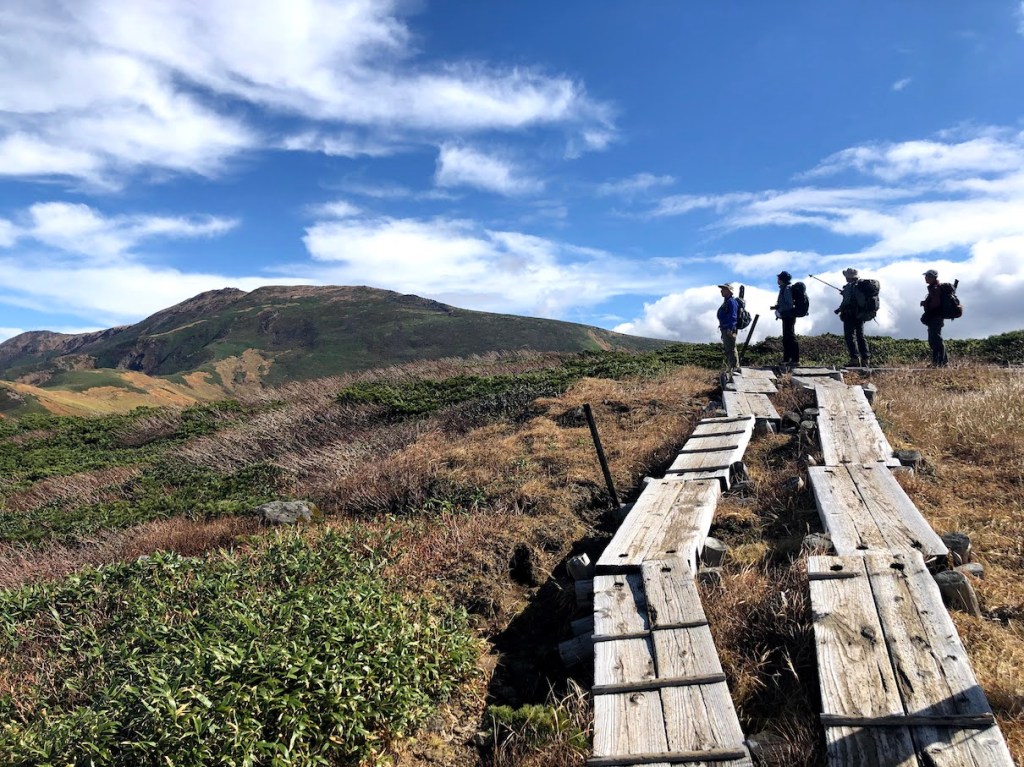
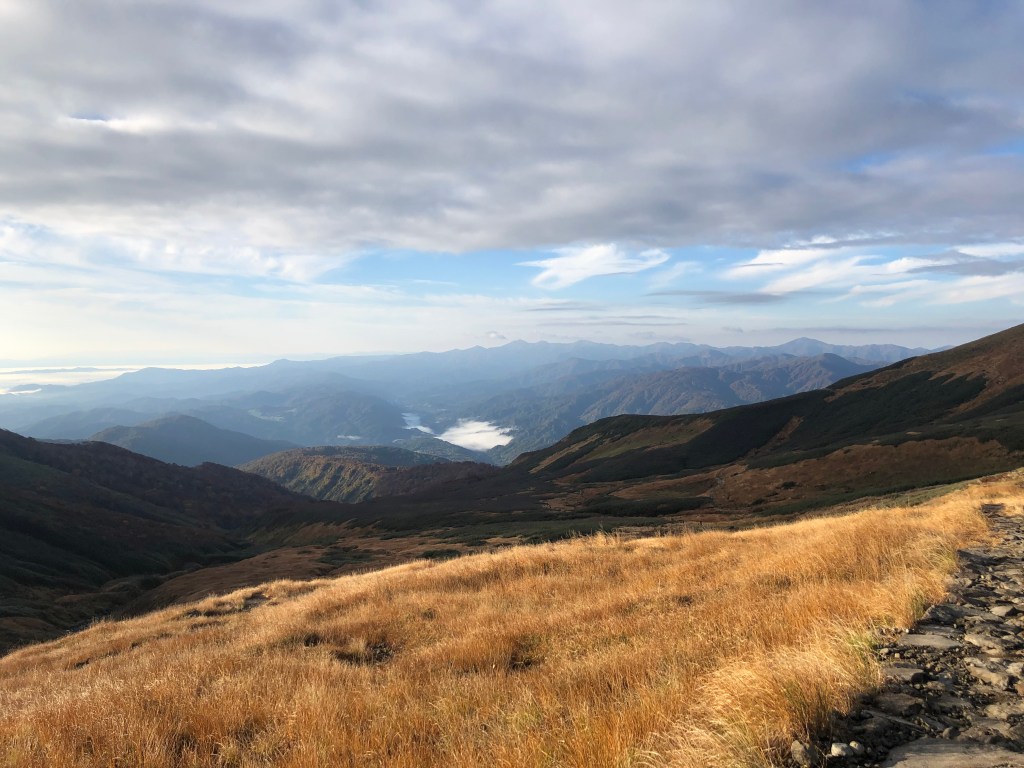
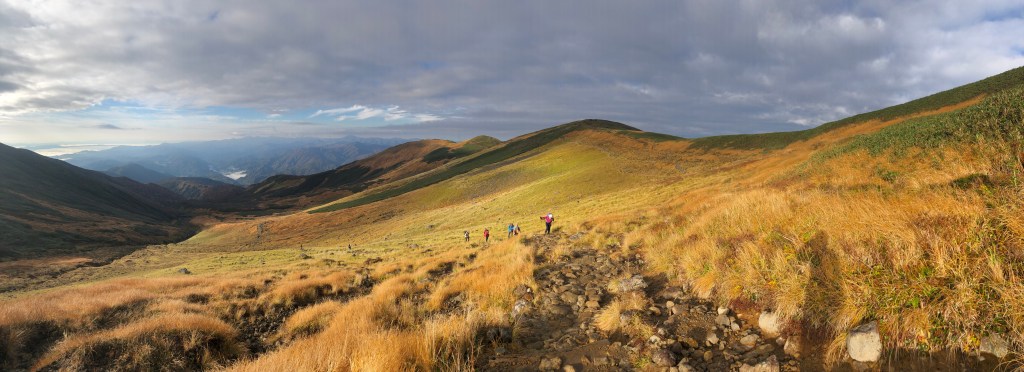
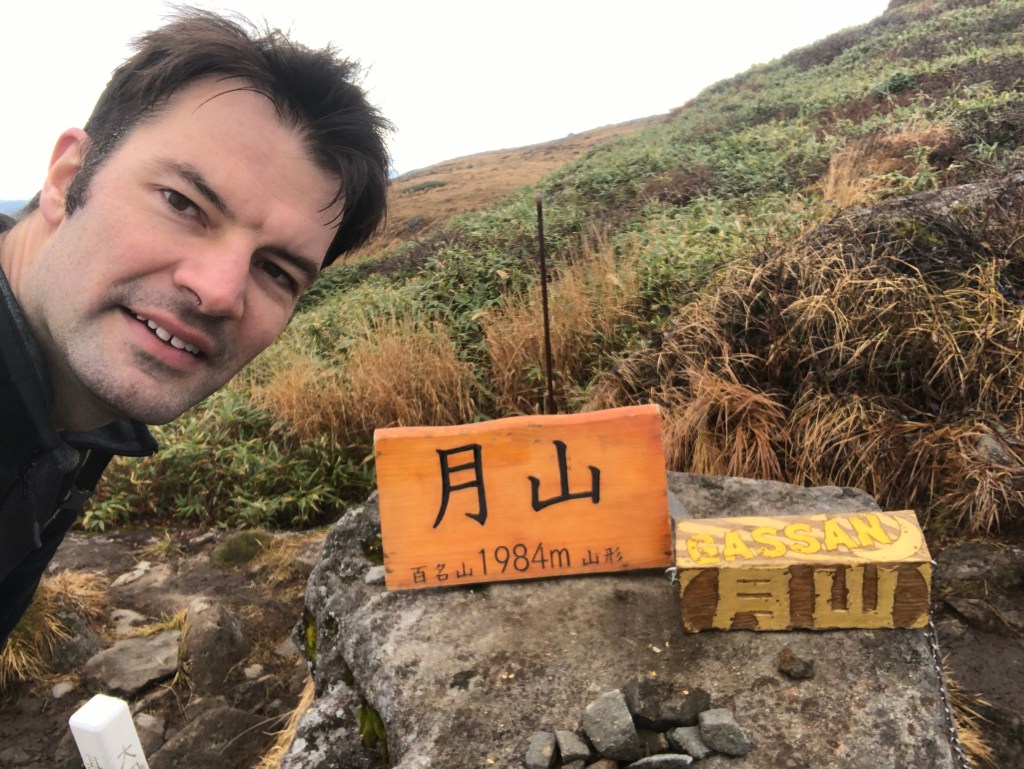
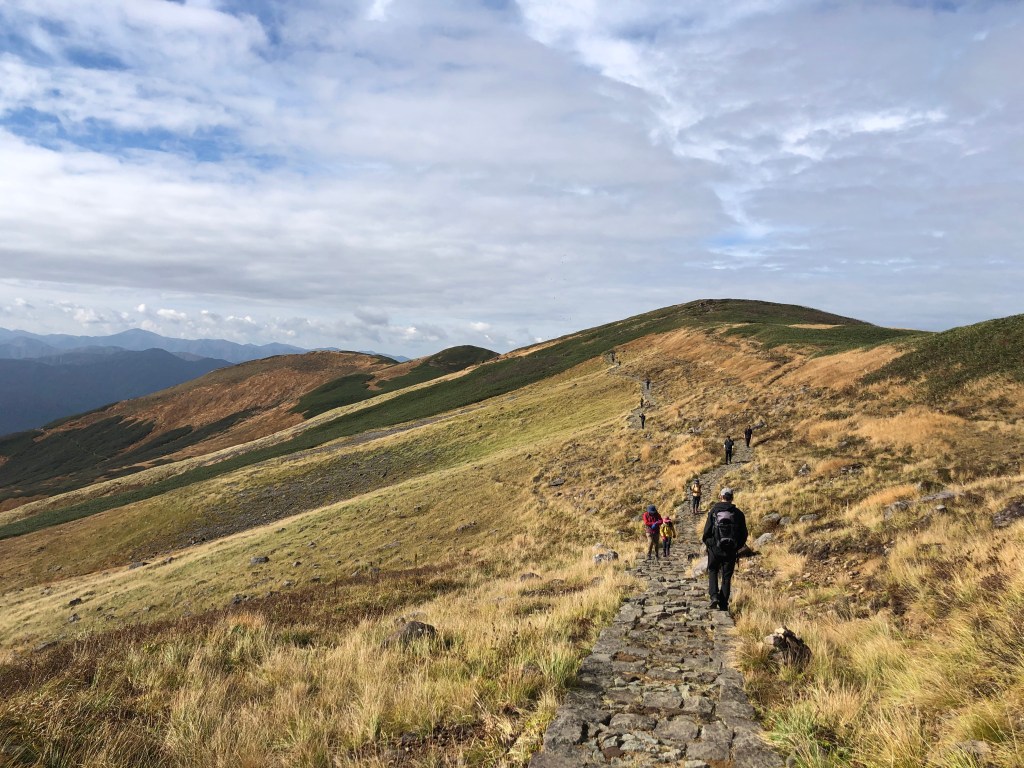
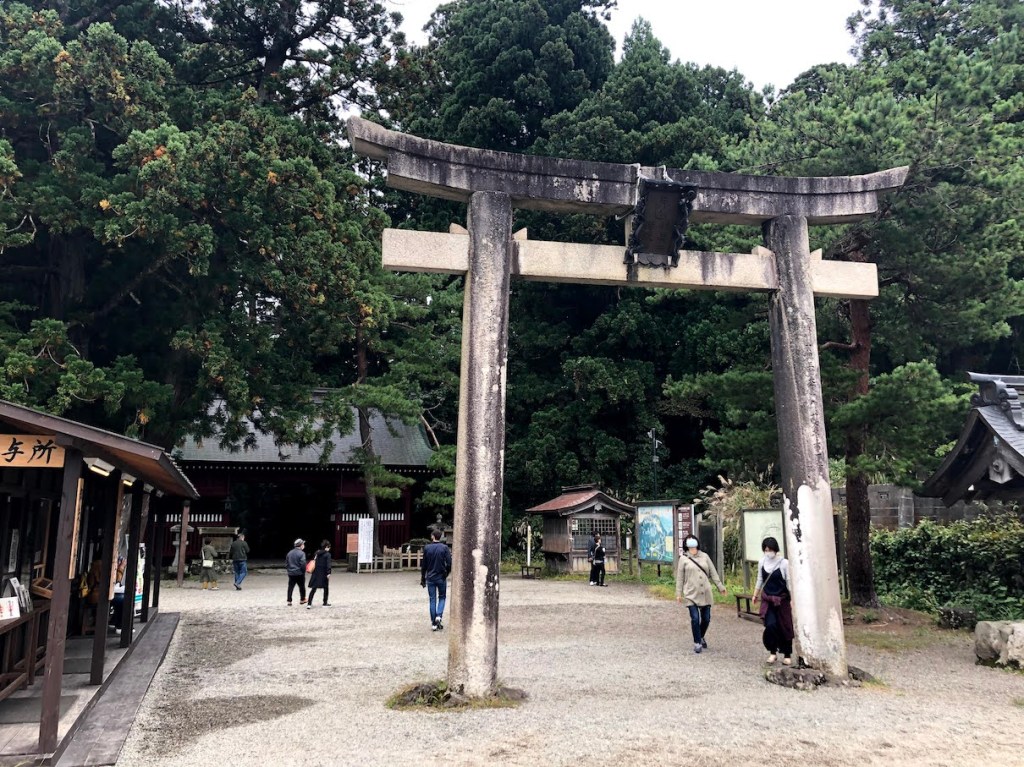
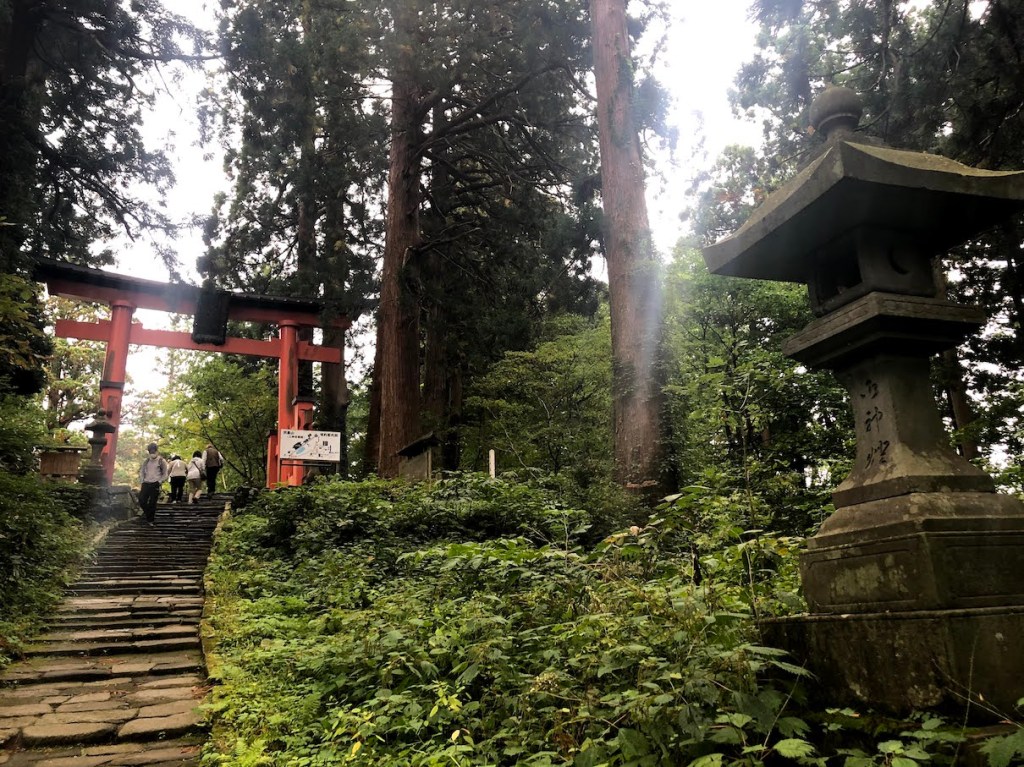
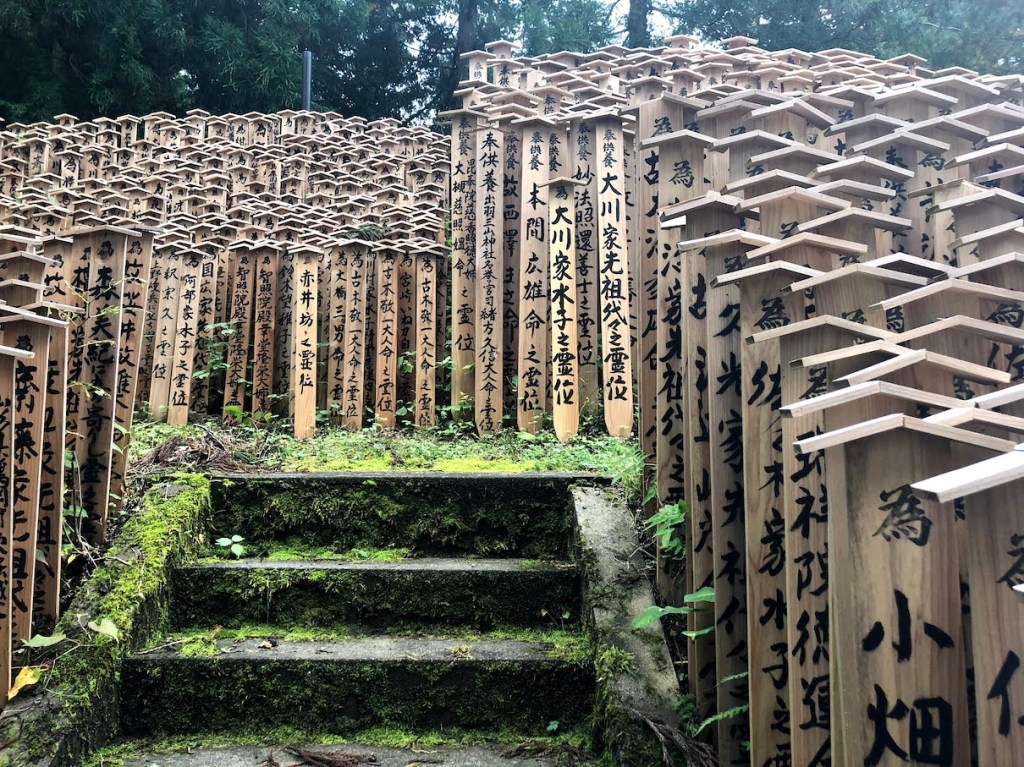
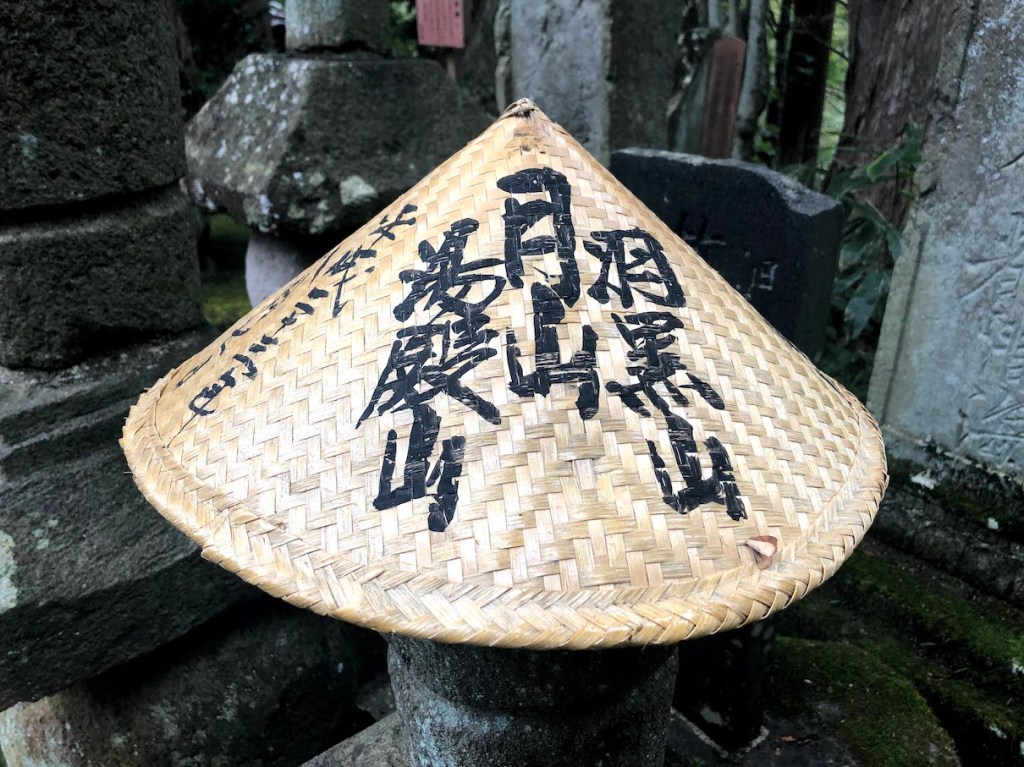
Netter Oktober Hike auf den Gassan. Der Berg ist ein beliebter Pilgerort in Japan, daher wuerde ich empfehlen ihn zu bestaeigen nachdem der Schrein oben auf dem Gipfel nicht mehr offen hat. Ich bin im Oktober 2020 hoch, als die Blaetter schon angefangen haben ihre Farbe zu wechseln. Selbst in dieser Zeit (der Schrein war schon geschlossen) und der beginnenden Kuehle oben auf dem Gipfel, waren noch sehr viele Leute unterwegs. Die meisten nehmen die Route ueber den Skilift, welcher erst um 8 Uhr morgens oeffne. Wenn moeglich wuerde ich daher empfehlen schon gegen spaetestens 6am morgens zu starten, um die Massen zu vermeiden. Die Gipfelmarkierung ist uebrigens nicht im Tempel, sondern kurz dahinter auf einer kleinen Anhoehe.

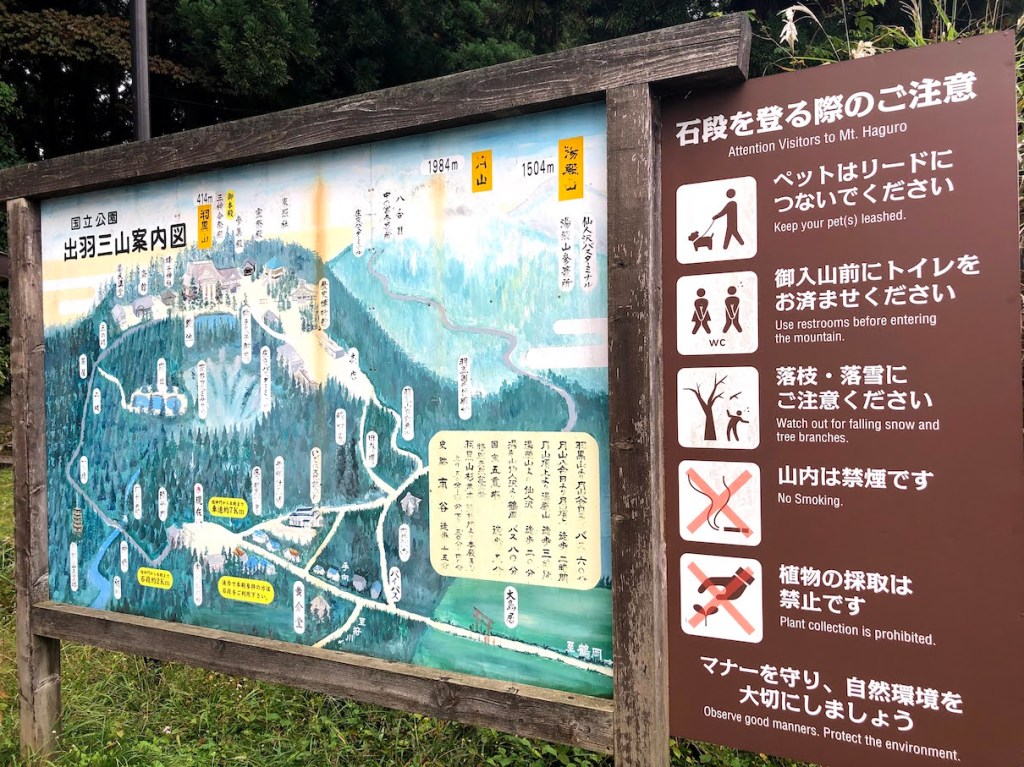
Hoehe:1984m
Anfahrt:Auto

1000m-1500m, 2020, Kanto 100, Tokyo

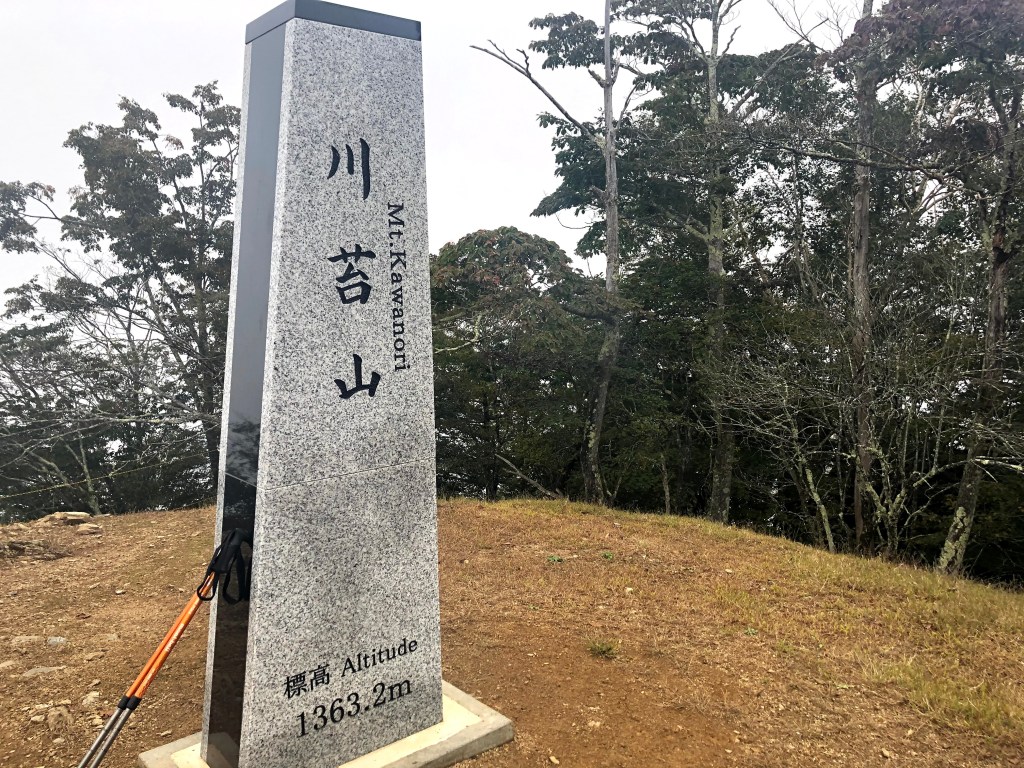
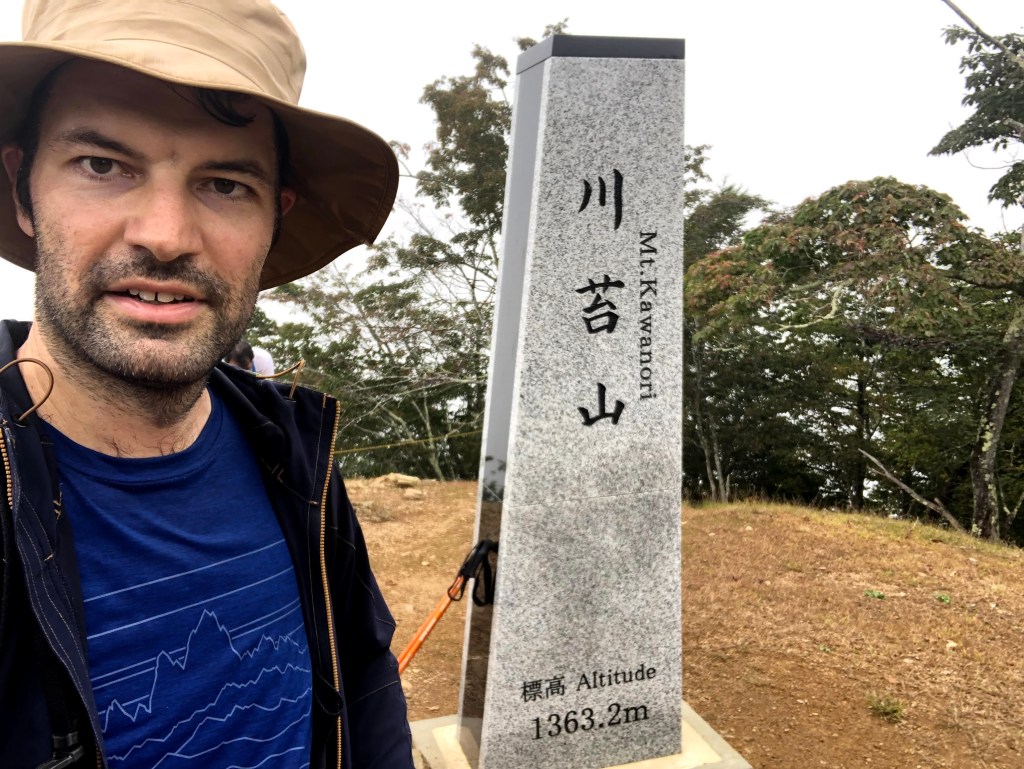
Kawanori-yama / 川苔山

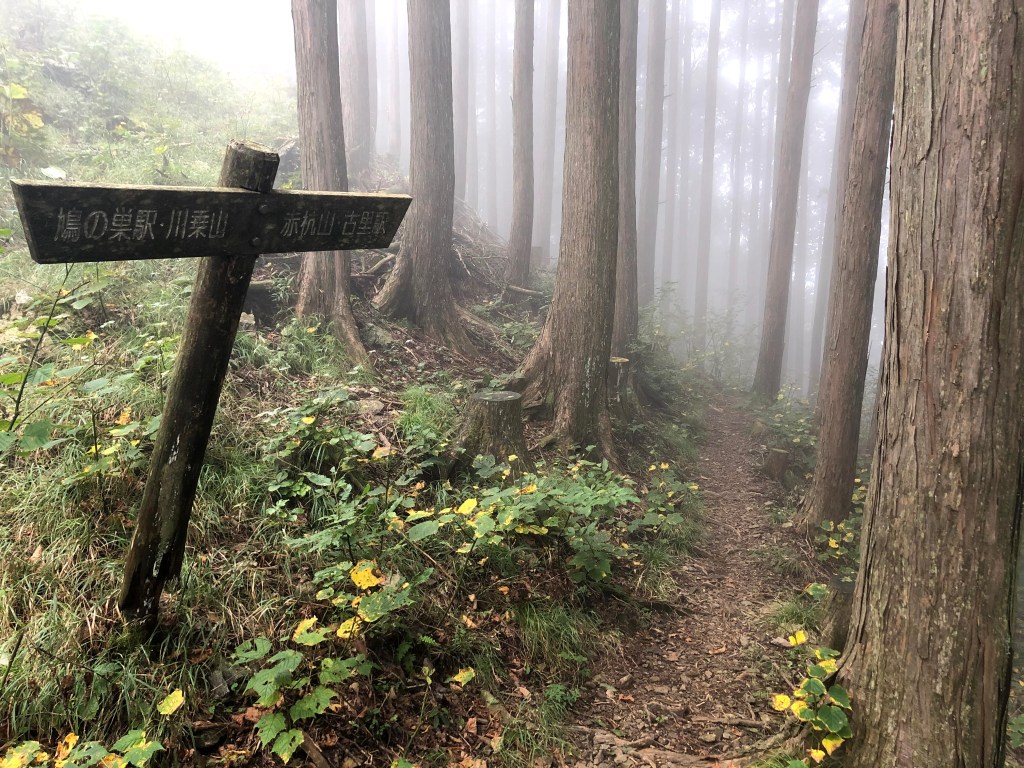
Mt. Kawanori (川苔山) is a mountain of medium height situated in the Okutama region which administered by Tokyo (東京都). The mountain’s Kanji name is written in two ways: 川苔山 and 川乗山. Both ways of writing the Kanji are used interchangeably and you will see both versions appear on maps and on signposts throughout the trail. Although I had the impression that the 川苔山 version seems a bit more common. The character 苔 (こけ, koke) means moss, which seems fitting for this environment.

There are multiple ways to hike Mt. Kawanori. The most popular route starts at the Kawanori Bridge (川苔橋) and leads to the summit via the Kawanori valley (川苔谷) passing by the Hyakuhiro waterfall (百尋の滝). However, as of October 2020, this route is currently off limits due to heavy damages caused by the typhoon number 19 that wreaked havoc in Japan in Autumn 2019. For this reason, the buses that leave for the Kawanori Bridge also do not currently stop at the stations. You can check the current status here (in Japanese).

For this reason, we chose the route that starts directly at Okutama Station. When starting there, the route first leads to Mt. Honita and then over to Mt. Kawanori. The ascent however is quite steep, but not overly difficult in terms of technique needed. The descent can be done via Hatonosu Station (鳩の巣駅) or Kori Station (古里駅). The descent via Kori Station is a bit longer, but also a bit gentler on the knees. In total, I would recommend planning about 7h average for the route.

<1000m, 2020, Hokkaido, Hokkaido 100, Vulkane

Mashu-dake / 摩周岳

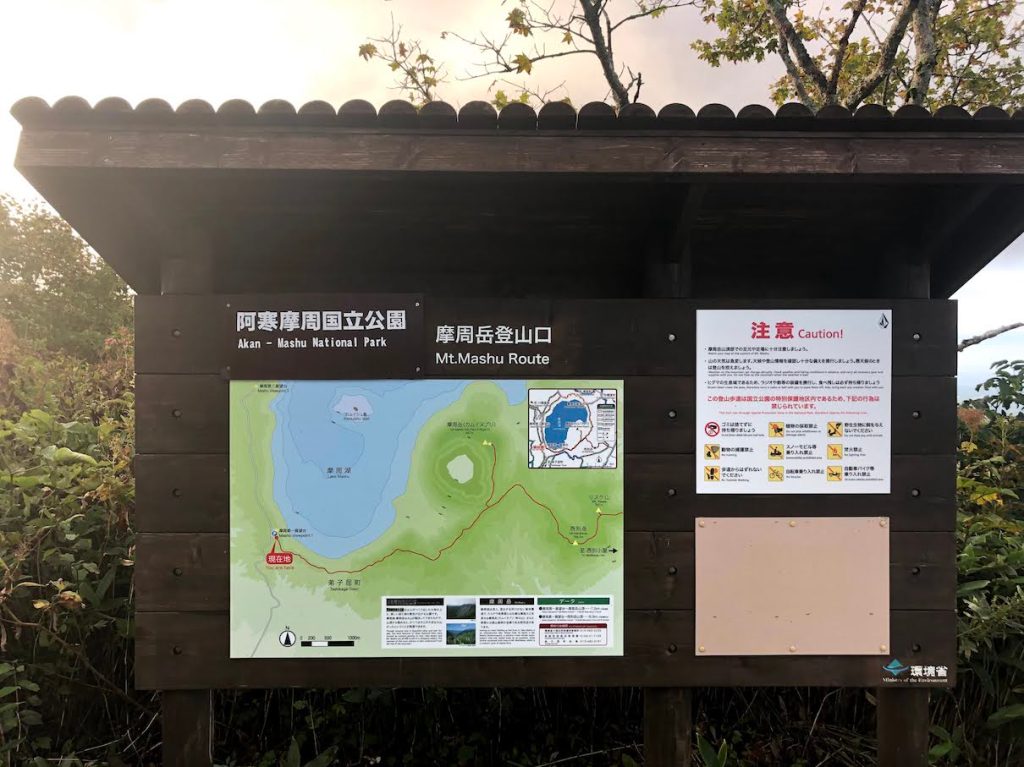
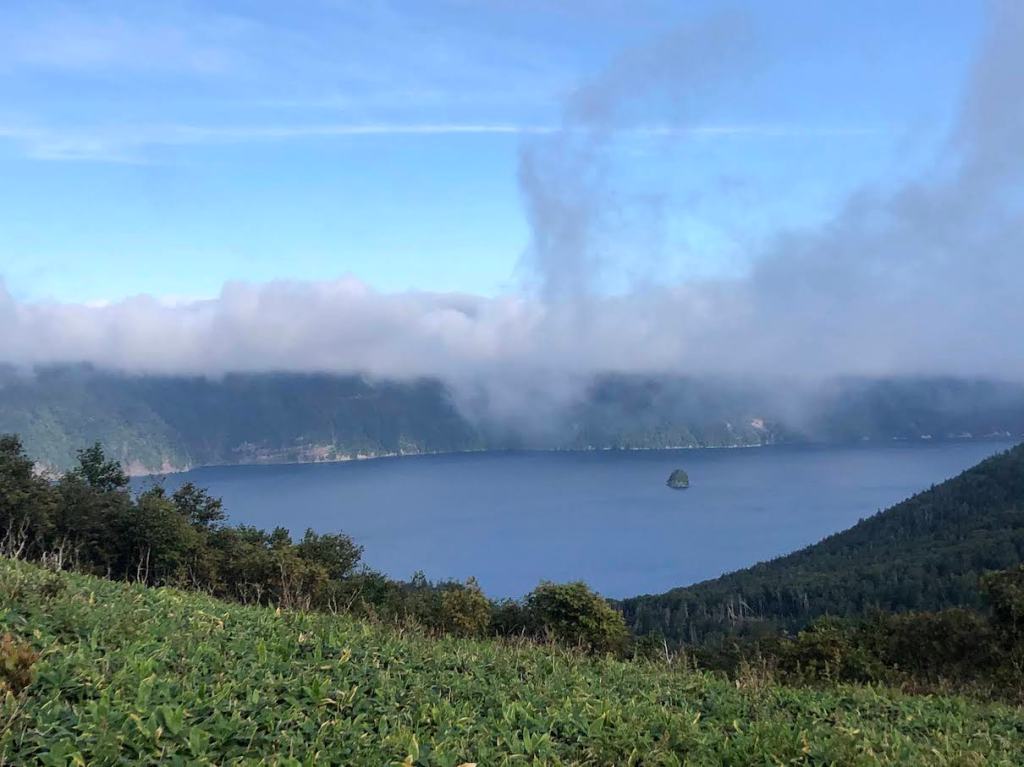
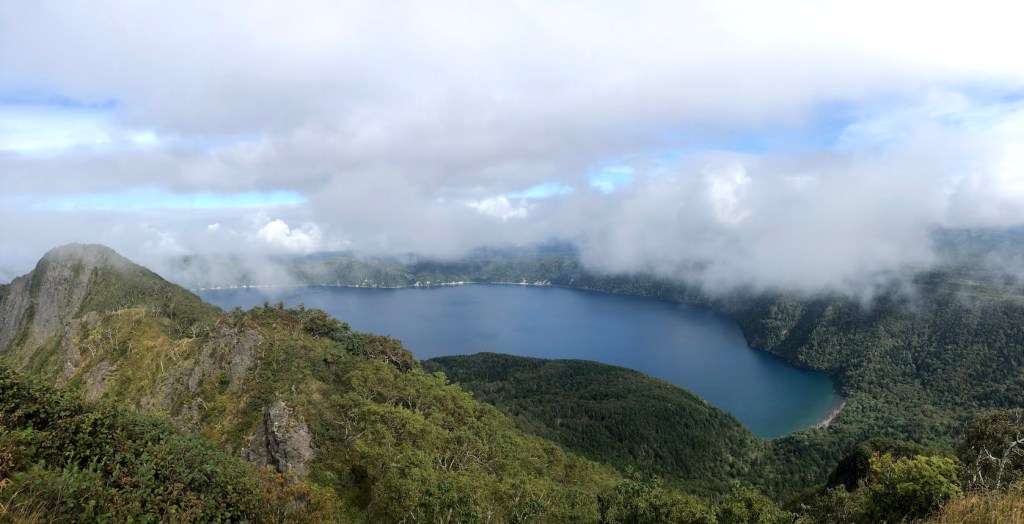
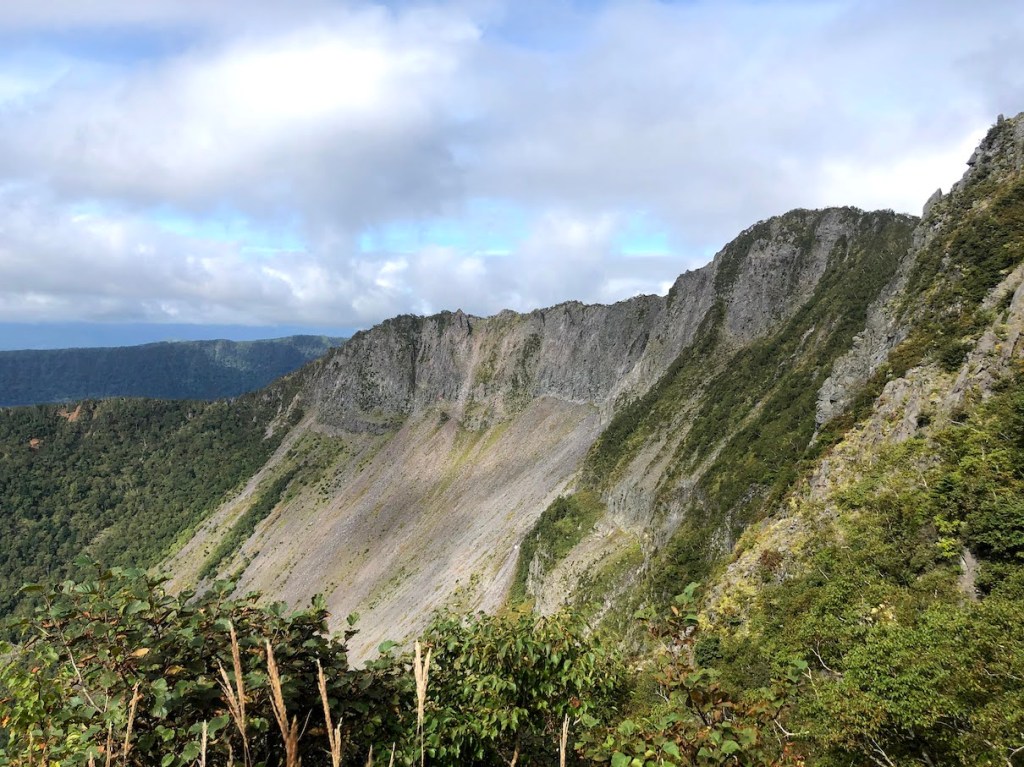
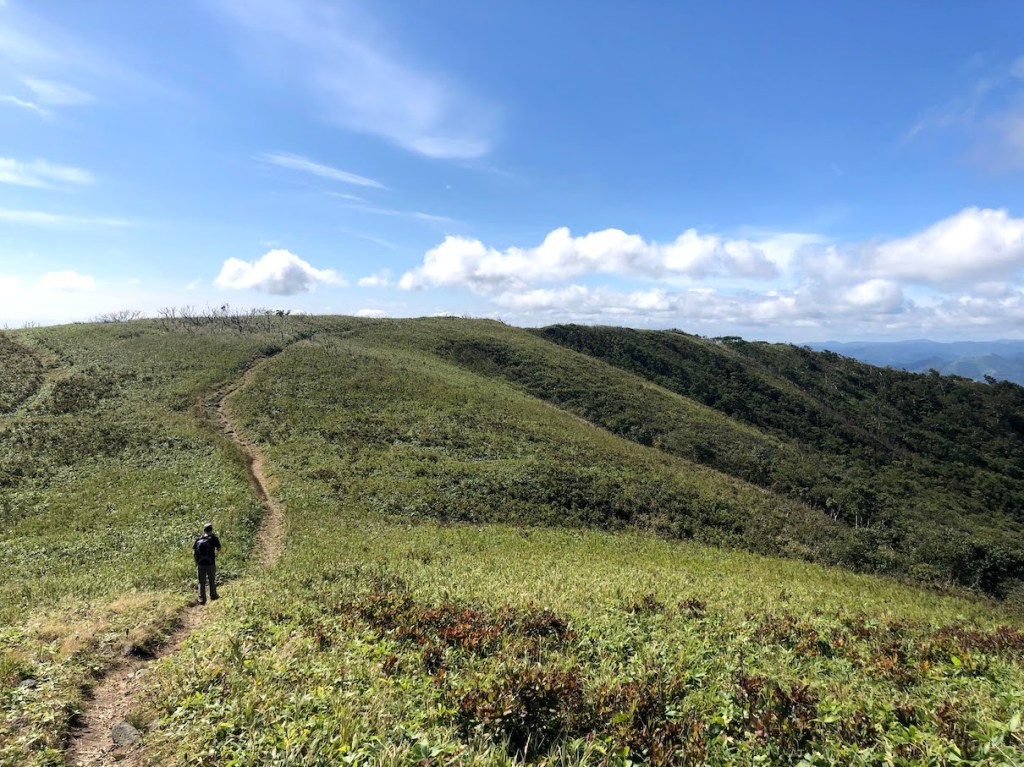
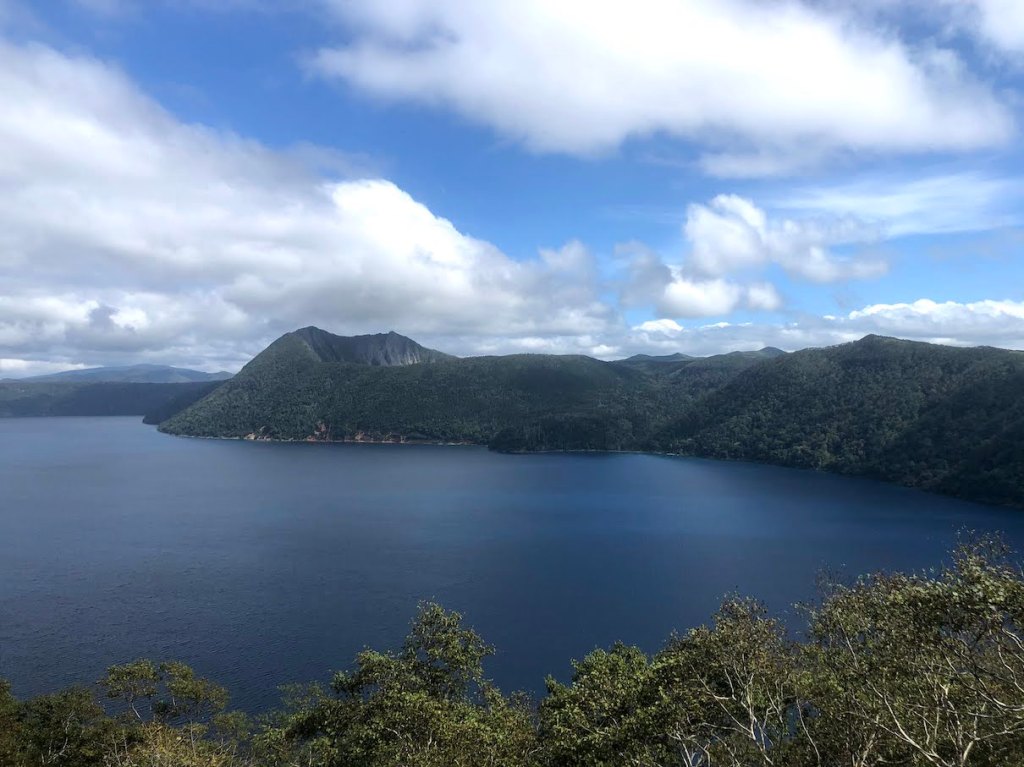
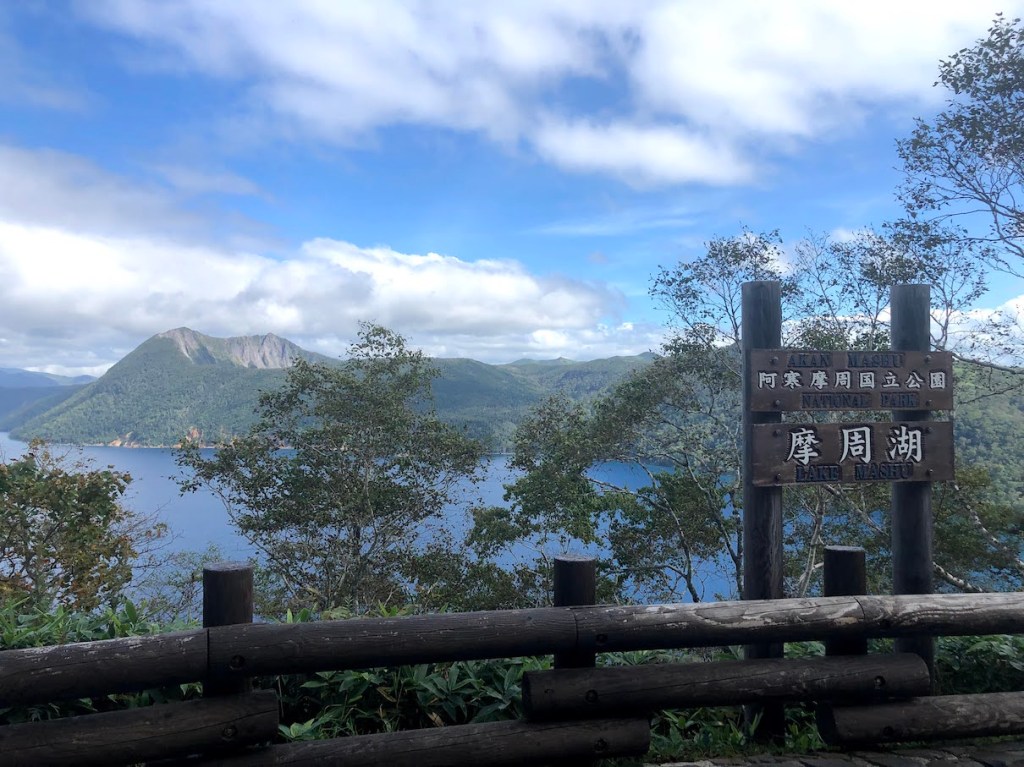
As with many mountains in Japan, there can be more than one way to call it. Mt. Mashu, or Mashu-dake 摩周岳, is also called Kamui-nupuri カムイヌプリ, which means “mountain of the gods” in Ainu, the language of the ingenious people of Hokkaido. The mountain is situated on the edge of Lake Mashu 摩周湖., a lake with beautifully blue water, which is also worth a visit, even without the goal of climbing Mashu-dake. While the whole lake was created within a large volcanic crater, Mashu-dake is basically a smaller sub-crater, not filled with water, but not less impressive.

The most popular trailhead start at he first viewing platform for Lake Mashu and the Mashu-dake. It is easily reachable by car and there is also a bus station. When arriving by car, parking costs 500yen. If you arrive early morning, there is a chance that no-one will be present at the gates, but in this case, they will put a note behind the windshield wipers for you to report back to the parking lot office once you come back from the hike. If you need to rely on public transportation, there is a bus from Mashu Station 摩周駅 that goes to the first observation deck, but the times and frequencies are quite rare. Here is the schedule.

Once you enter the trailhead which begins right at the end of the viewpoint area, the majority of the trail will be rather easy and relaxing. There is not much elevation gain until the very last 400m or so. The reason for this is that you first need to walk a while around the lake to the Mashu-dake. But the trail leads you through enchanting forests and wide fields with views on both the Lake Mashu and the surrounding mountains such as Nishibetsu-dake 西別岳. About halfway through, there is another viewing platform with great views on Lake Mashu and Mashu-dake. Head further straight until you reach another junction. From here, you can take the left side right up to the summit of Mashu-dake, or take the right side to further hike to Nishibetsu-dake, which is only 2.5km away. The majority of the elevation gain happens during the last 400m of the hike, but with a total elevation gain of about 400m, this is not a difficult hike.

1500m-2000m, 2020, Hokkaido, Hokkaido 100, Japan 100, Local Fuji, Vulkane

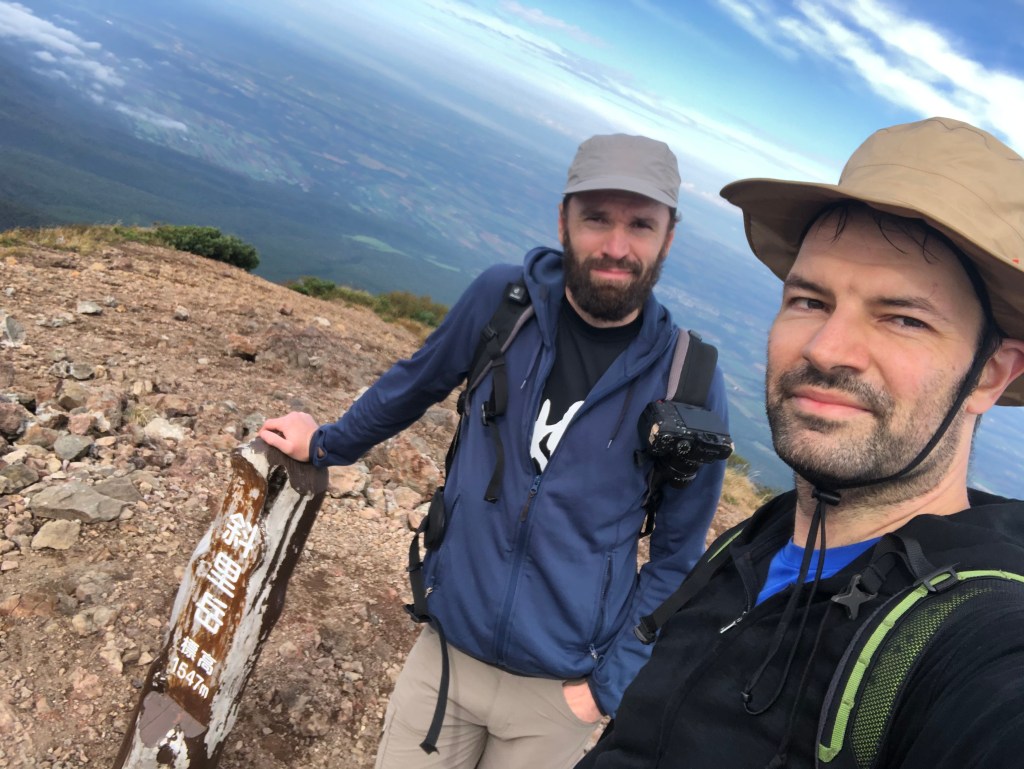
Shari-dake / 斜里岳

Shari-dake is a mid-sized mountain in Eastern Hokkaido, not far from the village with the same name. The mountain is one of the 100 famous mountains of Japan and therefore attracts many climbers throughout the year.

The trailhead is located at the Seigaku-so 清岳荘 hut, which also has a parking place. As always in Japan, I would recommend being early, as parking places are getting crowded very fast. You will be asked by a sign to pay 100yen at a small box right at the trailhead for as parking fee. After this, head onto the trail and after a short passage downwards, you will walk along a forest road until the path goes back into the forest to the left side.

From here, you will basically follow the flow of the river uphill. The river has to be crossed multiple times and it can be a little bit wet. It gradually becomes more steep and after a while, you will arrive at a junction where you have two options, follow the the old route to the left, or take the new route to the right.

It is noteworthy that the old route is quite steep and continues along the water, so it is extremely slippery at times. The new route is taking quite a detour but is significant less dangerous. I would say that if you are a seasoned mountaineer, ascending via the old route should be doable, but I would definitely recommend descending via the new route, as it does lead away from the waterfalls and is therefore less slippery. My guess is that the new route has been established to ease the descent, as there might have been a number of accidents on the old route with these conditions.

After the waterfall passage (which is undeniably the most difficult part of this hike), you will at some point arrive at a plain and shortly after that, you will see the junction that brings the old route and the new route back together. From there, just head straight and climb up to a small plateau with moderate views. From here you can already see the summit to the left. Follow the signs to the left and there will be a short rocky section until you arrive at the Shari-dake Shrine 斜里岳神社, which is a really small shrine just below the summit. From there, follow the path and you reach the summit in about 5 minutes.

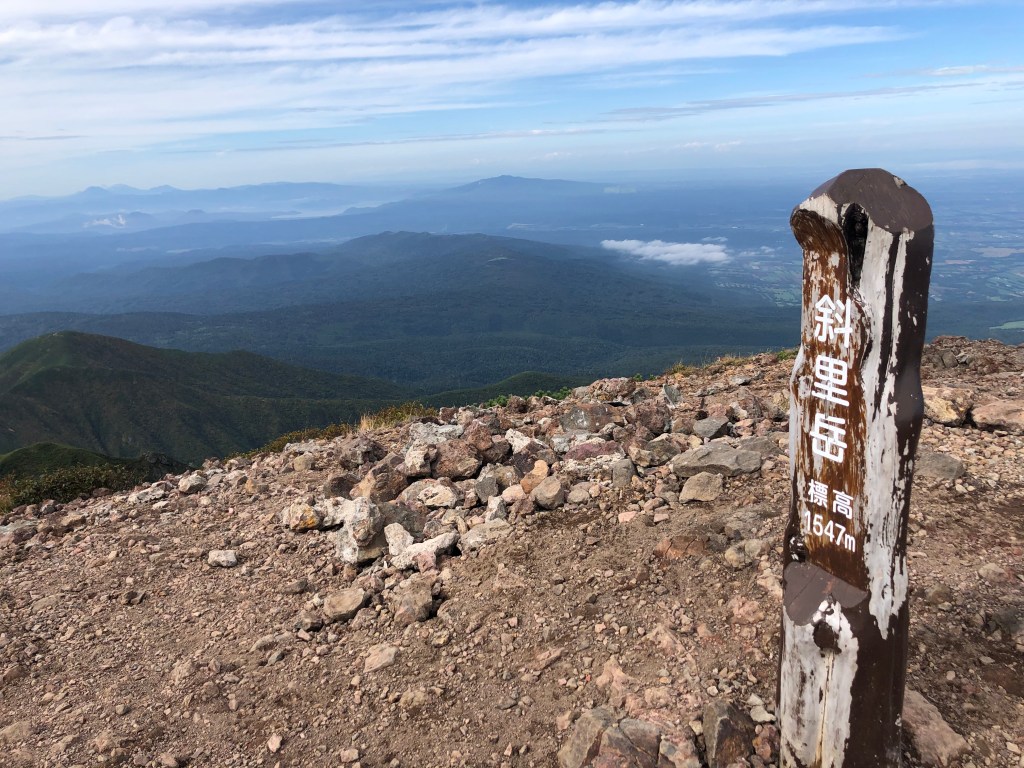
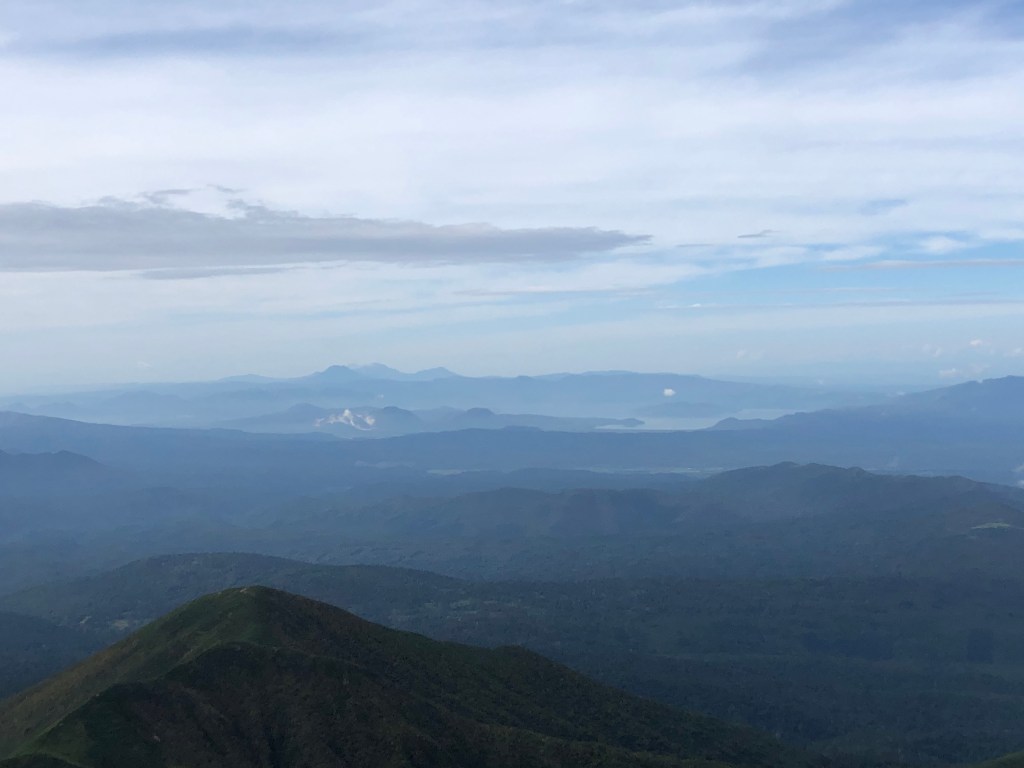
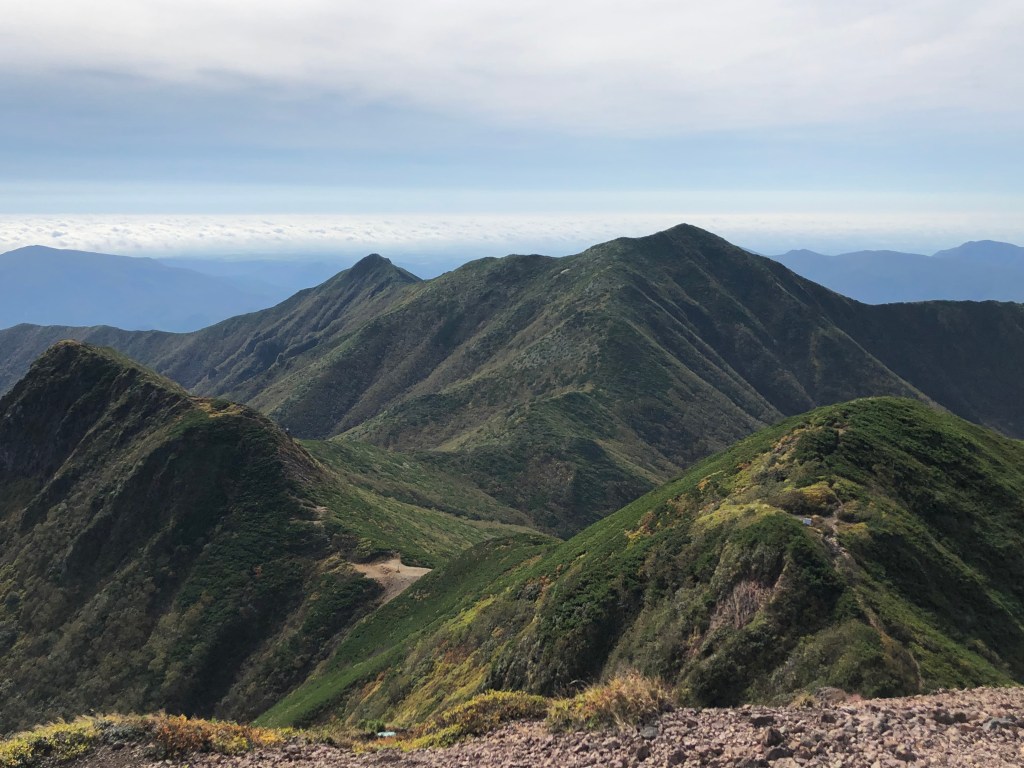
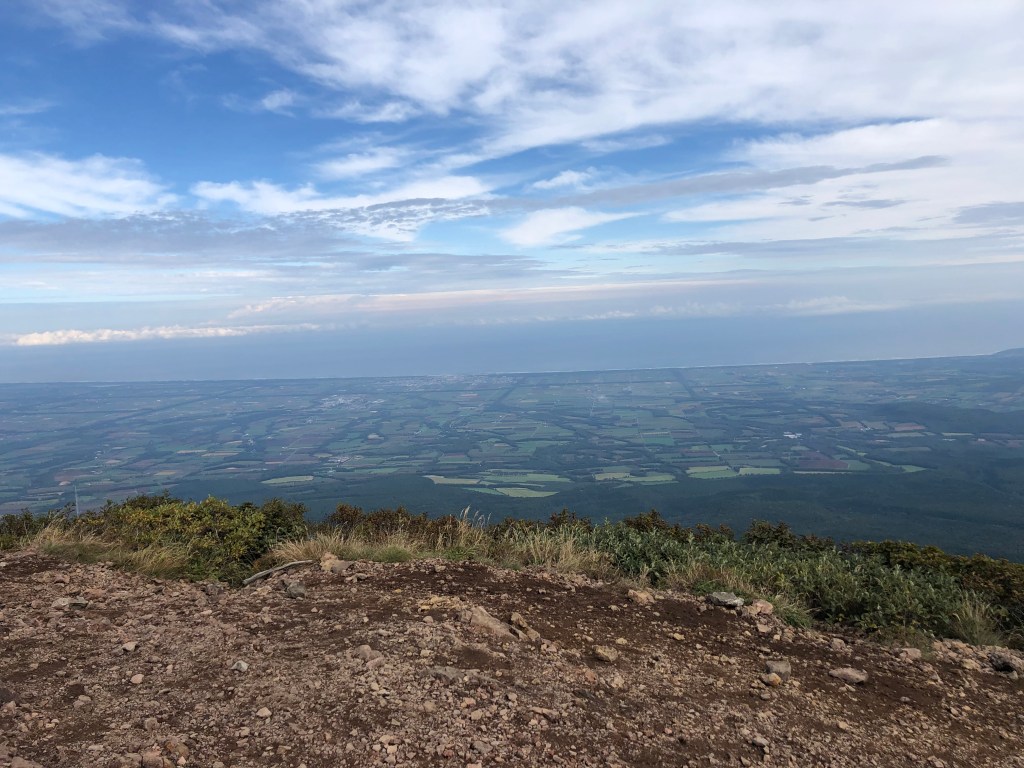
The views from Shari-dake are breathtaking. With good weather, the mountain provides 360 degree views of the surroundings, including Shari village, the Sea of Ohotsk, the Shiretoko Peninsula, Abashiri, etc. To the other side, you can also see the silhouettes of the mountains in the Daisetsu-san National Park.

When descending, follow the path down where you came from until you reach the junction where the old and the new route merged again. This time, take the new route to the left towards Kumami-toge (bear view pass). This route will lead over the ridgeline to Kumami-toge and then descends down back to where the waterfalls where.

Speaking of bears. While there are certainly bears in Hokkaido (the native bear is the brown bear ヒグマ, the possibility to actually see one is extremely low. On the Kumami-toge, we met an older Gentlemen who lives in the area of 77 years who told us that on this day (September 21, 2020) this would be his exact 900st attempt to the summit of Shari-dake. That is quite an accomplishment, and he wanted to continue until he reaches 1000 summits of Shari-dake. The stunning part however was that in all these 900 summits, he has never seen a single bear (!).

Hoehe:1547m
Anfahrt:Auto